

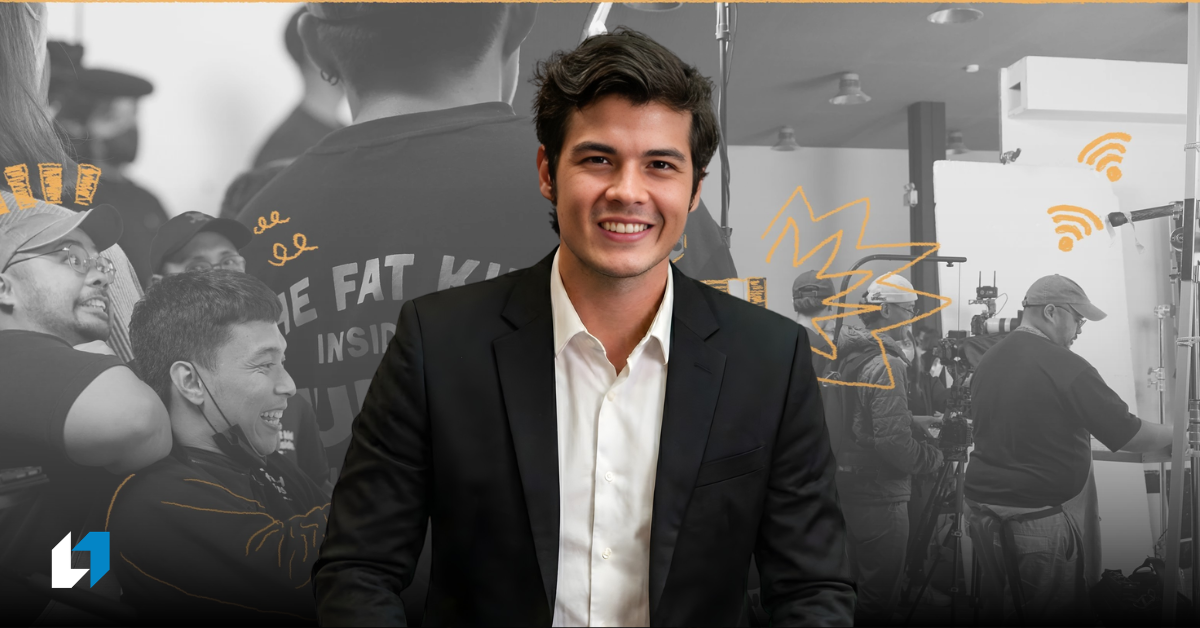
For many entrepreneurs, closing down businesses can feel like the end of the road. For Erwan Heussaff, it was the turning point. After years of running restaurants in Makati and BGC—some successful for a time but eventually unsustainable—he discovered a new frontier: digital media. What started as a hobby became the foundation of his next career and reshaped how he saw his future.
From Side Project to Serious Business
Back when blogging was just beginning to take off, Erwan launched a personal website without any expectations. “I started a website called thefatkidinside.com as purely as a hobby, just discussing healthy cooking and healthy food,” he said.
At first, it was simply an outlet—a way to document recipes, share ideas, and explore a healthier lifestyle. But the blog grew quickly. Readers began to connect with the content, and traffic steadily increased. By 2012, he realized it was more than a pastime. “It came to a point… where I realized that there was potential for that as a full time business,” he recalled.
That moment marked a significant shift: instead of investing all his energy into restaurants, he started investing it into content.
Catching the Wave of Social Media
Timing was crucial. As Erwan was experimenting with blogs and videos, the media landscape itself was changing. Social platforms were democratizing content creation, allowing individuals to bypass traditional TV and print.
He noticed the shift early. “During that same time in parallel, I was developing blogs at that time and online articles were getting very popular,” he explained. He sensed that social media was about to become a serious force in how people consumed information.
For someone who had already built discipline in operations and logistics, this new space was a playground for creativity. But unlike the restaurant business, it didn’t demand huge capital upfront. What it did demand was consistency, clarity of message, and the ability to adapt quickly to changing trends.
Building The Fat Kid Inside Brand
The blog wasn’t just about food—it evolved into a brand identity. “That kind of grew on its own,” he said. From health-conscious cooking posts, it expanded into broader lifestyle content. Soon, he was making videos, experimenting with formats, and learning how to edit and shoot.
“I’ve always loved video. I’ve always edited videos and shot videos. I’ve always been interested in that side of things,” he said. That passion turned out to be an advantage as video content exploded in popularity across YouTube and Facebook.
Over time, The Fat Kid Inside became more than a blog. It became a recognizable platform that allowed Erwan to bridge food, lifestyle, and travel with storytelling.
A More Sustainable Business Model
One of the reasons Erwan leaned into digital media was its business potential. Unlike restaurants, where high capital requirements and unpredictable consumer habits made growth difficult, digital offered scalability and flexibility.
The lessons he learned from food service—operations, systems, and clarity of roles—helped him treat content creation like a professional enterprise rather than a side hustle. “It came to a point… where I realized there was potential for that as a full time business,” he repeated, underlining the shift in mindset from hobbyist to entrepreneur.
This pivot also showed him that sometimes the most successful ventures aren’t the ones you plan—they’re the ones that grow naturally out of what you love doing.
Lessons from the Pivot
Erwan’s move from restaurants to digital wasn’t just a career shift. It was a lesson in recognizing opportunities, adapting to change, and knowing when to pivot.
Where restaurants tied him down to daily operations and unpredictable markets, digital media opened the door to global reach. Instead of worrying about fickle diners, he could focus on building a consistent audience that connected with his storytelling.
And crucially, it allowed him to align his work with his passions: food, health, and creativity.
From F&B to Digital Entrepreneur
Looking back, Erwan doesn’t regret the years spent building restaurants. Those ventures taught him discipline, cash flow management, and the importance of partnerships. But the pivot to digital media gave him something more enduring: a platform he could scale, adapt, and use to collaborate with brands across industries.
What began with The Fat Kid Inside became the cornerstone of his career as a digital entrepreneur. And it all started when he chose to see failure not as an ending, but as a chance to pivot toward something new.

