

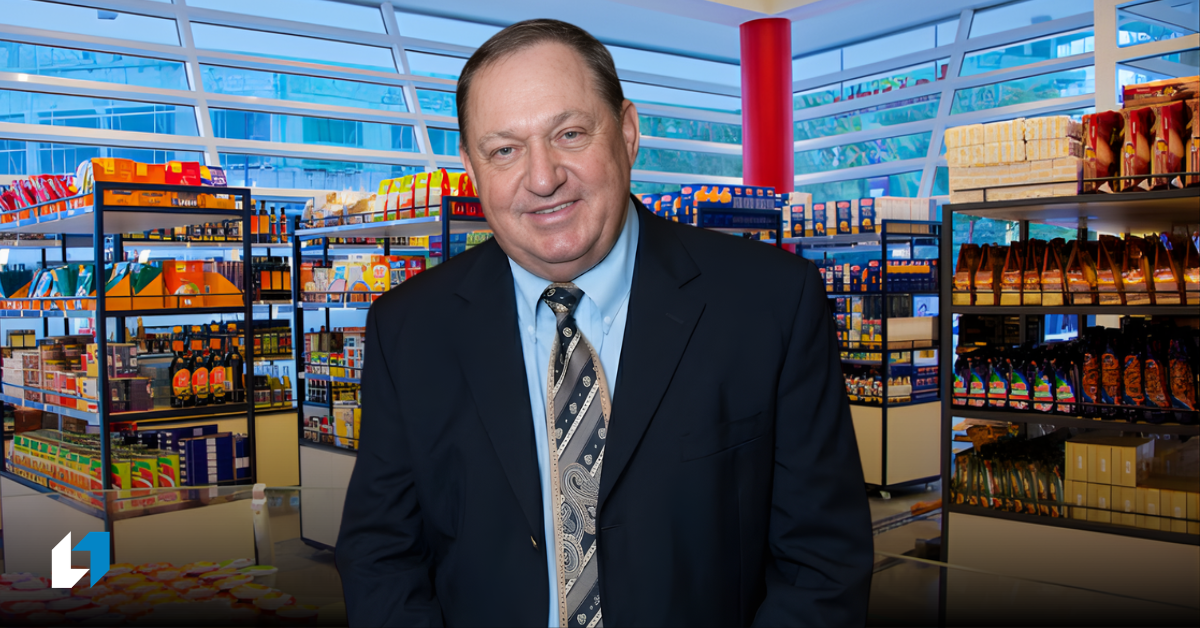
When Werner Berger started his sausage business, he did not envision opening a retail store. His original plan was straightforward: produce quality sausages locally and sell them to hotels that needed them. On paper, the demand seemed obvious.
At the time, Berger was deeply embedded in the professional kitchen ecosystem. “I was also the president of the Chef’s Association of the Philippines at the same time,” he says. That role gave him access to chefs from major hotels across the country. “So, every month, we had meetings with the different chefs of the hotels.”
Those meetings felt like the perfect testing ground. Berger openly shared his plans. “I said, ‘Oh, if I start my own business, will you support me?’” The response was encouraging. “Their response was positive; ‘Oh yeah, we need this, we need that.’”
The numbers sounded promising. Berger pushed for specifics. “‘How much would you buy?’ I asked.” The answers appeared solid. “‘100 kilos of this per month and 100 kilos of that,’ they said.” For a new factory producing sausages locally, those commitments suggested a viable wholesale operation.
Reality, however, told a different story.
“When it came to reality, it was maybe 10 percent of what they had promised,” Berger says. The discrepancy was stark. The enthusiasm expressed in meetings did not translate into consistent orders. Verbal support turned out to be unreliable when purchasing decisions were actually made.
For a business built around production, this gap created immediate pressure. Sausages had to be made, inventory had to move, and cash flow had to be maintained. “So, I had to look for other markets,” Berger explains. Depending on hotels alone was no longer an option.
Rather than shutting down or scaling back, Berger adjusted. He expanded what he offered. “So I began importing a little bit of beef—tenderloin, striploin.” The move allowed him to broaden his customer base and reduce reliance on a single product. At the same time, he continued selling sausages locally. “We started selling some of the sausages down here.”
This phase forced Berger to confront an uncomfortable truth about wholesale: control is limited. Orders fluctuate, buyers change priorities, and relationships don’t guarantee volume. Producing quality products was necessary—but not sufficient.
The experience pushed him to rethink distribution entirely. Instead of waiting for buyers to follow through, Berger realized he needed to meet customers directly. Selling retail would allow him to control pricing, volume, and demand more effectively.
That realization led to a pivotal decision. “And then we decided, in 1987, to open the first Santis on Yakal street,” Berger says.
Opening a store was not about branding or expansion—it was about survival and stability. Retail offered immediacy. Customers who walked in bought products on the spot. There were no monthly promises, no procurement committees, and no delayed decisions.
The store also solved another problem: education. By selling directly, Berger could introduce customers to products they had not previously encountered—quality sausages, imported cuts, and European-style ingredients that were difficult to find elsewhere. Demand no longer depended on institutional buyers alone.
This shift marked a turning point in the business. Wholesale production had proven that Berger could make quality products. Retail allowed him to build a consistent market for them.
Importantly, the move to retail did not replace wholesale immediately. It complemented it. The factory continued operating, but the store gave Berger a clearer signal of what customers actually wanted—and what they were willing to pay for.
Looking back, the decision to open Santi’s was less about ambition and more about control. The gap between promised orders and real purchases taught Berger that demand must be proven daily, not assumed.
Retail forced accountability. Every product on the shelf either sold or didn’t. That feedback loop sharpened decisions and reduced dependency on unreliable buyers.
By opening a store, Berger transformed uncertainty into visibility. Instead of guessing how much buyers might order next month, he could see demand in real time. That clarity would later allow the business to grow with confidence.
Santi’s was not born from grand retail vision—it was born from unmet promises. When wholesale demand failed to materialize as expected, Werner Berger chose proximity over projection and customers over commitments. By opening a store, he reclaimed control over pricing, demand, and direction. His experience shows that entrepreneurship often evolves not from perfect plans, but from practical responses to reality. When promises fell short, Santi’s moved closer to the customer—and found its footing there.
This article includes quotes from an interview originally published by Esquire Philippines, authored by Henry Ong.

