

In today’s rapidly evolving business environment, technical expertise alone is no longer enough for professionals to stand out. Organizations increasingly look for leaders who can connect financial insights with strategic decisions and drive meaningful improvements across the business.
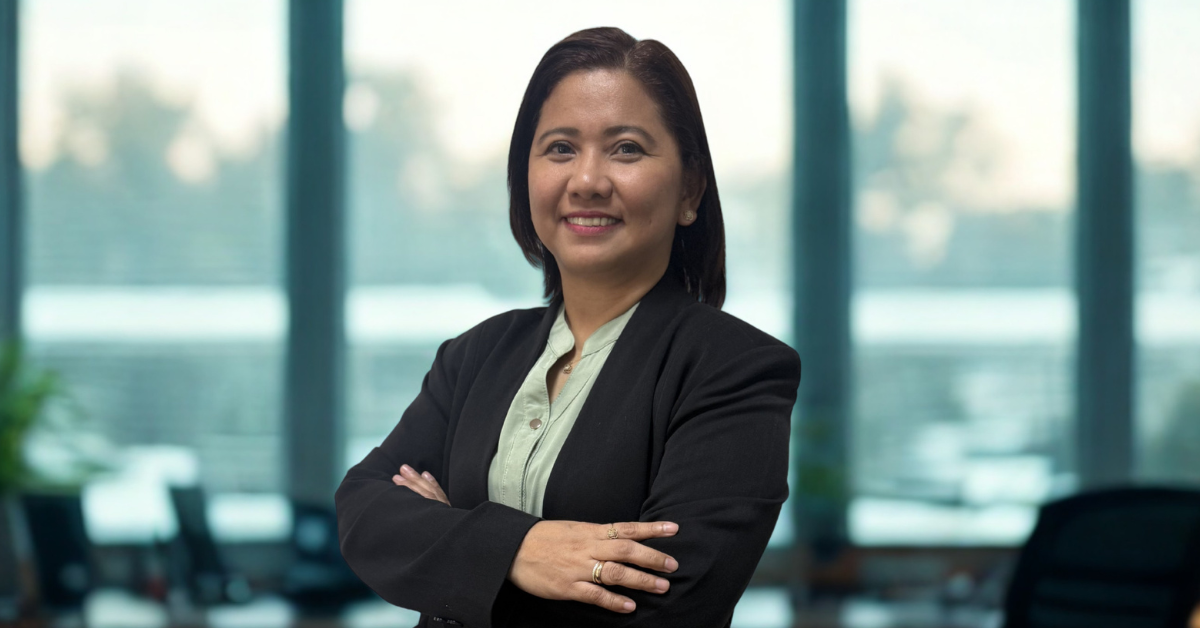
For Dulce V. Baterisna, Certified Management Accountant (CMA) and seasoned finance executive, one guiding principle has shaped her career: always go beyond what is expected.
“The best career advice I’ve received is to always add value beyond what your role expects,” she says.
That philosophy has influenced how she approaches leadership, decision-making, and professional development throughout her career.
The skills modern finance leaders must develop
According to Baterisna, success in finance today requires more than technical accounting knowledge. While financial expertise remains essential, professionals must also develop strong analytical thinking and the ability to translate financial information into strategic decisions.
“Strong analytical thinking, financial acumen, adaptability, and the ability to interpret data into strategic decisions are critical skills,” she explains.
These capabilities become especially important in industries where finance professionals must navigate regulatory requirements, compliance risks, and complex operational environments.
Leadership and integrity also play an important role in guiding organizations through these challenges.
“Leadership, integrity, and sound judgment are essential, especially in navigating compliance, risk, and regulatory environments,” she adds.
Staying relevant in a changing economy
The business landscape continues to evolve due to technology, globalization, and changing regulatory frameworks. For professionals who want to remain competitive, continuous learning is no longer optional—it is essential.
Baterisna maintains her professional edge by constantly investing in learning and staying informed about industry developments.
“I continuously invest in learning—whether through professional certifications, industry events, or technology-driven upskilling,” she says.
This includes exploring new tools, keeping up with emerging regulations, and understanding global best practices.
Staying curious and open to change allows professionals to adapt quickly as industries evolve.
A career shaped by diverse industries
One factor that strengthened Baterisna’s professional expertise was her willingness to move across different industries throughout her career.
She worked in sectors ranging from insurance and logistics to manufacturing, healthcare, and professional services. Each transition required learning new business models and adapting to different operational environments.
While these shifts presented challenges, they also helped broaden her perspective and build resilience as a leader.
“Each shift required learning new business models and adapting quickly,” she says.
The experience ultimately strengthened her versatility and deepened her understanding of how financial leadership supports different industries.
What makes a standout professional
In today’s competitive job market, Baterisna believes technical competence alone is not enough to differentiate professionals.
“Technical competence gets you noticed, but character, work ethic, and the willingness to learn make you stand out,” she explains.
Companies increasingly look for professionals who demonstrate initiative, collaborate effectively with others, and contribute beyond the basic expectations of their roles.
These qualities often determine who becomes a trusted leader within an organization.
Leadership built on empathy and communication
As a leader, Baterisna believes empathy and communication are essential in building strong and effective teams.
Leaders today must be able to guide organizations through uncertainty while maintaining trust and transparency.
“Empathy, adaptability, integrity, and clarity of communication are essential leadership qualities,” she says.
Her leadership approach emphasizes early communication and fact-based discussions when addressing workplace conflicts.
“I address issues early, listen to all sides, and focus on facts rather than assumptions,” she explains.
By identifying root causes and encouraging productive solutions, leaders can strengthen trust within their teams.
Creating an environment where people thrive
Motivating teams, Baterisna believes, requires more than setting targets and measuring results.
Employees perform best when they feel supported, recognized, and connected to the organization’s purpose.
“I create an environment where people feel valued, supported, and connected to the bigger purpose,” she says.
Recognizing achievements, providing mentoring, and offering tools for professional growth help employees reach their full potential.
Over time, her management style has evolved to emphasize collaboration, transparency, and empowerment.
“I lead with clarity, transparency, and collaboration,” she explains.
Balancing structure with empowerment allows leaders to guide teams effectively while building trust and accountability.
The responsibility of difficult decisions
Leadership inevitably involves difficult decisions—particularly those that affect people’s roles or career paths.
For Baterisna, these moments require fairness, transparency, and empathy.
“Decisions that impact people’s roles must be handled with dignity and transparency,” she says.
These situations remind leaders that organizational success must always be balanced with respect for the individuals who contribute to it.
The role of CMA in strategic leadership
Baterisna’s professional development was further strengthened by earning the Certified Management Accountant (CMA) designation.
She first learned about the program through industry colleagues who recognized its global relevance in management accounting and strategic finance.
The certification helped sharpen her analytical skills and strengthen her ability to support strategic decision-making.
“CMA sharpened my analytical and strategic skills, especially in planning, performance management, and financial decision-making,” she says.
Beyond technical knowledge, the program also expanded her professional network and exposed her to global best practices in finance leadership.
Today, she applies the CMA framework to executive decision-making, risk management, and operational leadership.
Preparing for the future
Looking ahead, Baterisna believes professionals who want to remain relevant must embrace continuous learning while developing both technical and leadership skills.
Areas such as digital literacy, data analysis, and strategic thinking will become increasingly important as organizations navigate complex business environments.
For those considering the CMA program, her advice is straightforward:
“Go for it,” she says. “CMA is a powerful investment in your career.”
Because in today’s business world, the professionals who succeed are not just those who understand numbers—but those who use those numbers to create lasting value.

