

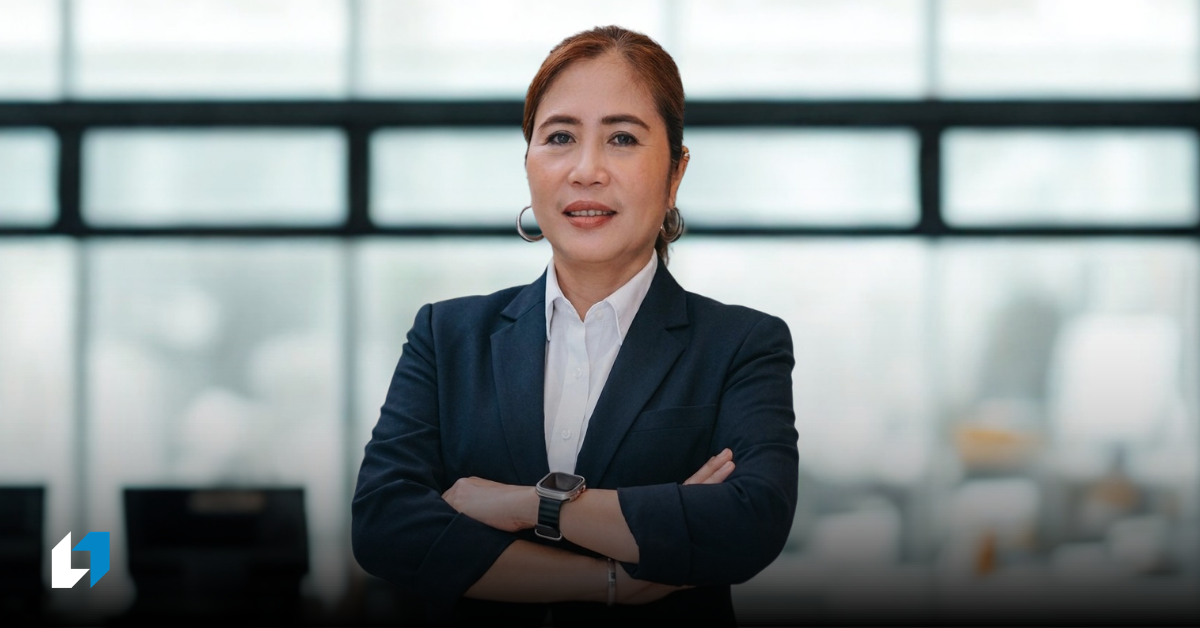
Chef Lea Besana Legaspi, a Certified Hospitality Professional, has spent years working in kitchens and now in the classroom, training future hospitality professionals. Across both roles, she has learned that success in the industry is not just about technical ability, but about how you connect with people.
“As a chef instructor, I see the industry as a balance of skill and heart,” she says.
For Legaspi, technical skills are expected, but they are not enough to stand out. What truly makes a difference is how professionals communicate, adapt, and create meaningful experiences for guests and teams alike.
“Technical proficiency is essential, but equally important are communication, adaptability, and cultural awareness,” she explains.
In her experience, the best professionals are those who combine strong fundamentals with genuine care. Hospitality, at its core, is still about people.
“Thriving in this field means combining mastery in craft with genuine care for people,” she adds.
The industry itself continues to evolve, with new trends, tools, and expectations shaping how work is done. Staying competitive requires more than experience—it requires continuous learning.
“The industry is always shifting… so I continuously learn and adapt,” she says.
She keeps herself updated through workshops, exposure to global cuisines, and connections within the industry. This allows her to stay relevant not just as a practitioner, but also as a mentor.
“Staying competitive means being a lifelong learner and mentoring others to thrive,” she explains.
One of the biggest transitions in her career was moving from full-time kitchen work into teaching. It was a shift that required her to rethink how she approached her role.
“In the kitchen, success is measured by the dish. In the classroom, it’s about how well you transfer knowledge,” she says.
Instead of focusing on execution, she had to focus on guidance—helping students understand and apply what they learn.
“I had to shift from producing results to helping others achieve them,” she explains.
Teaching also required her to simplify complex techniques into clear, structured lessons that students could follow. It meant balancing traditional methods with modern industry demands.
“Developing teaching skills meant breaking down techniques into step-by-step lessons,” she says.
Through this experience, she realized that being a chef goes beyond cooking. It involves leadership, mentorship, and the ability to adapt.
“Being a chef isn’t just about cooking—it’s about mentorship and adaptability,” she adds.
When it comes to hiring and developing talent, Legaspi looks beyond technical skills. She believes character plays a bigger role in long-term success.
“A standout candidate shows integrity, adaptability, and genuine empathy,” she says.
Professionals who stay calm under pressure, communicate well, and keep learning are the ones who elevate teams and deliver consistent results.
“I admire those who show initiative and a willingness to learn,” she explains.
Her leadership style has also evolved over time, shifting from task-focused to people-centered. She believes strong leadership comes from influence, not authority.
“Leadership is less about authority and more about influence, motivation, and inspiration,” she says.
By investing in her team’s growth and well-being, she creates an environment where performance follows naturally. When people feel valued, they do better work.
“When people feel valued, performance naturally follows,” she adds.
Leadership, however, also comes with difficult decisions. She recalls moments when she had to prioritize the organization over individual circumstances.
“I had to let go of someone who wasn’t meeting expectations… even though I knew how much they wanted to succeed,” she says.
These decisions are never easy, but they are part of the responsibility that comes with leading a team.
“Tough decisions are about being honest, fair, and courageous,” she explains.
For Legaspi, long-term success is not just about results—it’s about balance. Taking care of people is just as important as achieving targets.
“When I take care of my people, they take care of the business,” she says.
This balance creates a more sustainable and motivated team, which ultimately leads to better outcomes.
“Leadership is about pushing for results while protecting well-being,” she adds.
Looking back, her journey reflects continuous growth—from the kitchen to the classroom and into leadership. Each step required learning, adjustment, and a willingness to improve.
“Never stop learning, and always stay humble,” she says, a principle that continues to guide her today.
Because in hospitality, success is not just about what you know—it’s about how you grow and how you help others grow with you.

