

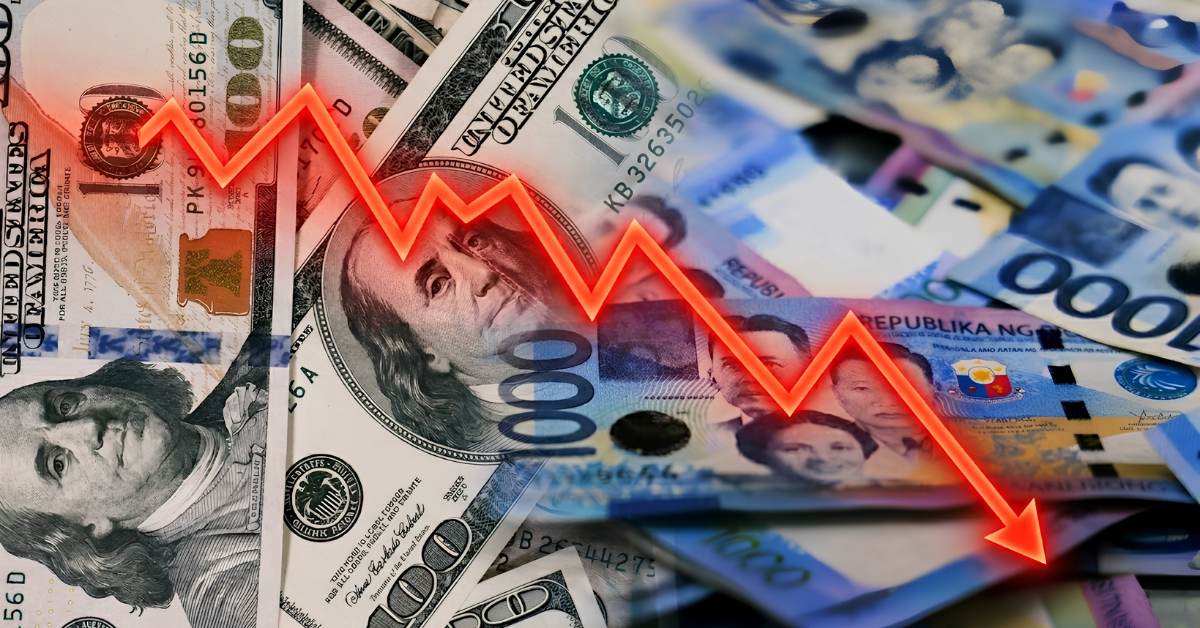
For decades, investors have assumed that central banks can always find a middle ground between fighting inflation and supporting economic growth. In a recent article titled “Interest Rates: Goldilocks’ Outcome or Hobson’s Choice?”, Prof. Janek Ratnatunga, CEO of CMA Australia and CMA ANZ, argues that this assumption may no longer hold.
According to Ratnatunga, the newly appointed U.S. Federal Reserve Chairman Kevin Warsh faces a difficult reality. America’s debt burden has become so large that every major policy option now carries significant consequences. Rather than facing a “Goldilocks” scenario where policymakers can find a solution that is “just right,” Ratnatunga argues that the Fed now faces a Hobson’s choice—a situation where there appears to be a choice, but in reality every option comes with a painful trade-off.
Three Paths Facing the Federal Reserve
His argument revolves around three possible paths.
The first is to raise interest rates aggressively to defend the U.S. dollar and contain inflation. While this could strengthen the currency, Ratnatunga argues that the economic cost may be far higher today than during previous inflation battles. U.S. federal debt has climbed to more than $37 trillion, or about 124% of GDP, meaning the country now owes substantially more than it produces in a year. In such an environment, sharply higher interest rates would not only hurt consumers and businesses but could also cause the government’s own interest expenses to rise dramatically, increasing the risk of a recession.
The second option is to continue supporting government borrowing through money creation and quantitative easing. This keeps financial markets functioning and prevents a debt crisis, but gradually reduces the purchasing power of the dollar through inflation. Ratnatunga believes this is the path policymakers are most likely to choose because it spreads the pain over many years rather than causing an immediate economic downturn.
The third option is geopolitical rather than monetary. Ratnatunga argues that much of today’s inflation pressure stems from rising energy prices caused by the conflict involving Iran and the closure of the Strait of Hormuz, through which roughly 20% of the world’s oil supply normally passes.
According to his analysis, a de-escalation of the conflict and the reopening of Hormuz could help bring oil prices down, ease inflationary pressures, and reduce the need for aggressive monetary intervention. However, he believes such a move could come at the cost of American geopolitical influence and credibility if it is perceived as a strategic retreat. In his view, while this path may help stabilize inflation, it could weaken confidence in America’s ability to project power globally and support its allies.
Ratnatunga ultimately concludes that policymakers will likely choose inflation over recession. In his view, the United States is more likely to tolerate a gradual decline in the purchasing power of the dollar than risk a sudden collapse in economic activity.
What It Could Mean for the Peso
For Philippine investors, however, the more important issue is not the future direction of the U.S. dollar but the implications for the peso.
Conventional wisdom suggests that a weaker dollar should be positive for the Philippine currency. Yet currencies do not operate in isolation. The peso’s performance depends not only on what happens in the United States but also on the Philippines’ own economic fundamentals.
The value of the peso is determined not only by what happens in the United States, but also by the Philippines’ own economic fundamentals.
The Philippines continues to run a structural trade deficit, importing far more goods than it exports. The country remains heavily dependent on imported fuel, imported raw materials, imported machinery, and imported consumer products. As a result, the peso remains highly sensitive to global commodity prices and changes in investor sentiment.
Even if the dollar gradually loses purchasing power over time, the peso may not necessarily benefit if Philippine inflation remains elevated or if external deficits continue to widen. In fact, the short-term implications of Ratnatunga’s thesis may actually be negative for the peso.
Why the Peso Could Remain Under Pressure
If global inflation remains high because of elevated energy prices, central banks around the world may be forced to maintain relatively high interest rates. This could continue to support demand for dollar assets and place pressure on emerging-market currencies, including the peso.
The Philippines faces a difficult balancing act. The Bangko Sentral ng Pilipinas would prefer to lower rates to support economic growth. However, excessive rate cuts could place additional pressure on the currency. A weaker peso would increase the cost of imported goods, particularly fuel, which could reignite inflation.
This challenge is not unique to the Philippines. Ratnatunga highlights Indonesia as an example of a country that recently raised interest rates primarily to defend its currency despite concerns about economic growth. Similar pressures could emerge in other emerging economies if global uncertainty persists.
The Long-Term Implications for Investors
The longer-term implications may be even more important.
If Ratnatunga is correct and the world enters a prolonged period of monetary expansion, investors may gradually shift their focus away from currencies and toward real assets that can preserve purchasing power. Throughout history, periods of currency debasement have tended to benefit assets such as gold, energy, productive businesses, commodities, and real estate.
This may help explain why gold has reached record highs in recent years despite high interest rates. Investors are increasingly seeking assets that cannot be created with a computer keystroke.
For the Philippines, this environment could create both opportunities and risks.
Companies with strong pricing power may be able to pass inflation through to consumers. Exporters could benefit from a weaker peso. Remittances from overseas Filipinos would become more valuable when converted into local currency. However, import-dependent businesses may face higher costs, while consumers could experience a continued squeeze on purchasing power.
Preserving Purchasing Power May Become More Important
The broader lesson from Ratnatunga’s article is that the debate is no longer simply about whether interest rates will rise or fall. The more important issue is whether central banks can continue managing record debt levels without sacrificing currency purchasing power.
For Filipino investors, preserving purchasing power may become just as important as generating investment returns. If the coming years are defined by higher inflation, larger government debts, and continued monetary expansion, the winners may not necessarily be those who hold the most cash. Instead, they may be those who own productive assets capable of keeping pace with a world where currencies gradually buy less and less over time.
In that sense, Ratnatunga’s warning may be less about the future of the U.S. dollar and more about the future of all fiat currencies—including the Philippine peso

