

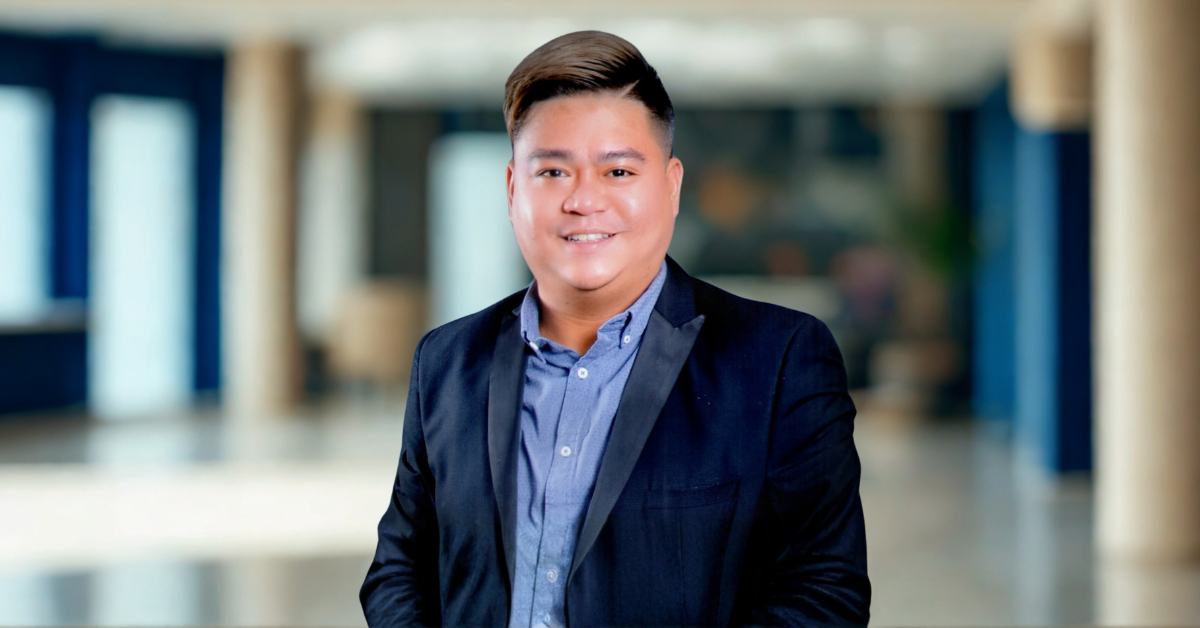
Early in his career, Anthony Lester Lizardo, Certified Tourism Professional, believed what many professionals are taught to believe: that experience alone would carry him forward. But as he moved through different roles—from traditional travel sales to digital travel marketing and tourism research—he realized that longevity in a fast-changing industry depends on something far less static.
“Adaptability, empathy, and cultural intelligence are key,” says Lizardo. “The ability to connect with people from diverse backgrounds, solve problems creatively, and stay calm under pressure makes a huge difference.”
For him, experience was only the starting point. What sustained his career was the willingness to evolve.
Learning to move with change, not resist it
Lizardo’s pivot from traditional travel sales into digital travel marketing and research forced him to confront an uncomfortable truth: what worked before would not always work next.
“The biggest challenge was staying relevant,” he recalls. “Learning new tools, mastering analytics, and integrating academic insight into real-world practice.”
The transition required him to unlearn habits that once brought results and replace them with new ways of thinking. Instead of relying on familiarity, he leaned into curiosity—studying emerging travel trends, observing traveler behavior, and staying digitally updated through technology and social media.
That mindset reshaped how he approached growth. Rather than chasing stability, he focused on staying flexible in an industry defined by constant movement.
Why skills matter—but mindset matters more
In tourism and travel, technical skills are often emphasized. Lizardo does not dismiss their importance, but he believes they are not what truly separates professionals who last from those who fade.
“Technical skills can be trained,” he explains. “But a service mindset and authenticity cannot be faked.”
What consistently stood out to him were people who combined emotional intelligence with initiative—those who stayed calm under pressure and remained open to learning even after setbacks. In his experience, adaptability became a multiplier: it allowed professionals to apply their skills in new contexts instead of being limited by them.
This belief also shaped how he assessed leadership potential. Experience might open doors, but mindset determines whether someone can lead through uncertainty.
Staying competitive by staying curious
Rather than anchoring himself to past achievements, Lizardo made continuous learning a habit. He pursued certifications, followed industry research, and paid close attention to how traveler expectations evolved.
“I continuously learn through certifications, research, and observing emerging travel trends,” he says. “I also stay digitally updated, using technology and social media to understand changing traveler behavior and market demands.”
But his learning was not purely technical. One piece of advice stayed with him throughout his career: “Never stop being a traveler yourself.”
Experiencing the world firsthand, he explains, builds empathy and perspective—qualities that no classroom alone can provide. Those experiences deepened his understanding of what meaningful travel looks like and reinforced the importance of designing experiences with intention.
Why adaptability future-proofs a career
For Lizardo, future-proofing is not about predicting trends perfectly. It is about remaining open to reinvention.
The industry’s shift toward sustainability, innovation, and responsible travel only reinforced that belief. “The industry is shifting toward meaningful and responsible travel,” he says. “Those who adapt early will lead the way.”
That adaptability extends beyond tools and platforms. It requires professionals to rethink how they measure success—moving from rigid roles toward transferable skills and values that travel across industries.
Looking back, Lizardo sees a clear pattern. Each pivot in his career demanded humility, learning, and flexibility. Experience gave him context, but adaptability gave him longevity.
In an industry built on movement, connection, and change, his lesson is simple but demanding: careers do not survive by standing still. They last by learning how to move.

