

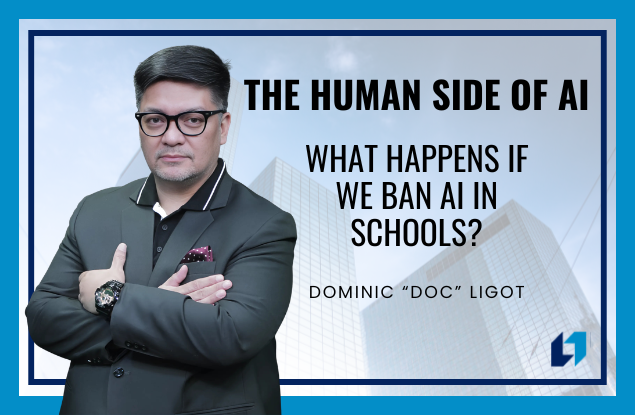
I keep thinking about how fast AI is changing our world. It is in our phones, our schools, and even in the news we read every day. Some people are excited about it. Others are scared of it. I understand both sides. But one thing is clear to me: we are not fully ready for it.
When I think about our schools, I feel worried. Many classrooms still do not have good internet. Some schools do not even have enough computers. Some teachers are doing their best, but they are using old ways of teaching in a very new world. So when people say we should use AI in school, I wonder how that can happen if many students do not even have basic tools.
Still, AI is already here. Students are using it now. Some use it to write essays or answer homework. That makes many teachers nervous. They see work that sounds too polished, too clean, too advanced. So the first reaction is often simple: ban AI.
That reaction makes sense, but I do not think it solves the problem.
If students never learn how to use AI in school, what will happen when they leave school? They will enter jobs where AI is common. Offices, businesses, and even simple tasks may use AI tools. If students are not trained, they may fall behind. That is why I believe the answer is not to ban AI, but to teach students how to use it with honesty and care.
Maybe schools will need to change how they test students. Maybe students will still write, but they will also speak in class and explain their ideas out loud. Oral work may help teachers know what students really understand. But that also takes time, and teachers already have too much work. So maybe the real answer is a mix of old and new ways. Human teaching and smart tools can work together.
Another issue is misinformation. AI can now make fake videos, fake voices, and fake news stories that look real. This is dangerous. A person can see something online and believe it right away. A fake clip can spread fast. A lie can look like truth.
That is why awareness matters so much. People must learn to stop and check before they believe or share anything. We need to ask simple questions. Who made this? Is this real? Can I trust this? That habit can protect us.
I also worry about the people making laws. They are trying to respond to new technology, and that is important. But making laws about things you do not fully understand can be risky. It is not enough to hear a few big words and then vote. Leaders need clear advice from people who truly know the subject.
A bad law can hurt people for years. It is easier to pass a law than to remove one. That is why careful thinking is needed now, before rules are rushed.
Experts in technology should speak up. Teachers should speak up. Ordinary citizens should speak up too. We all live with the results of these choices.
AI is not only a tech issue. It is an education issue. It is a truth issue. It is a future issue.
I do not think we should panic. But I do think we should pay attention. We need better schools, better internet, better teaching, and better public understanding. We need leaders who listen and citizens who stay alert.
AI is already shaping our lives. We cannot pretend it is not there. The real danger is not AI itself. The real danger is being unprepared for the world it is creating.
Dominic “Doc” Ligot is one of the leading voices in AI in the Philippines. Doc has been extensively cited in local and global media outlets including The Economist, South China Morning Post, Washington Post, and Agence France Presse. His award-winning work has been recognized and published by prestigious organizations such as NASA, Data.org, Digital Public Goods Alliance, the Group on Earth Observations (GEO), the United Nations Development Programme (UNDP), the World Health Organization (WHO), and UNICEF.
If you need guidance or training in maximizing AI for your career or business, reach out to Doc via https://docligot.com.

