

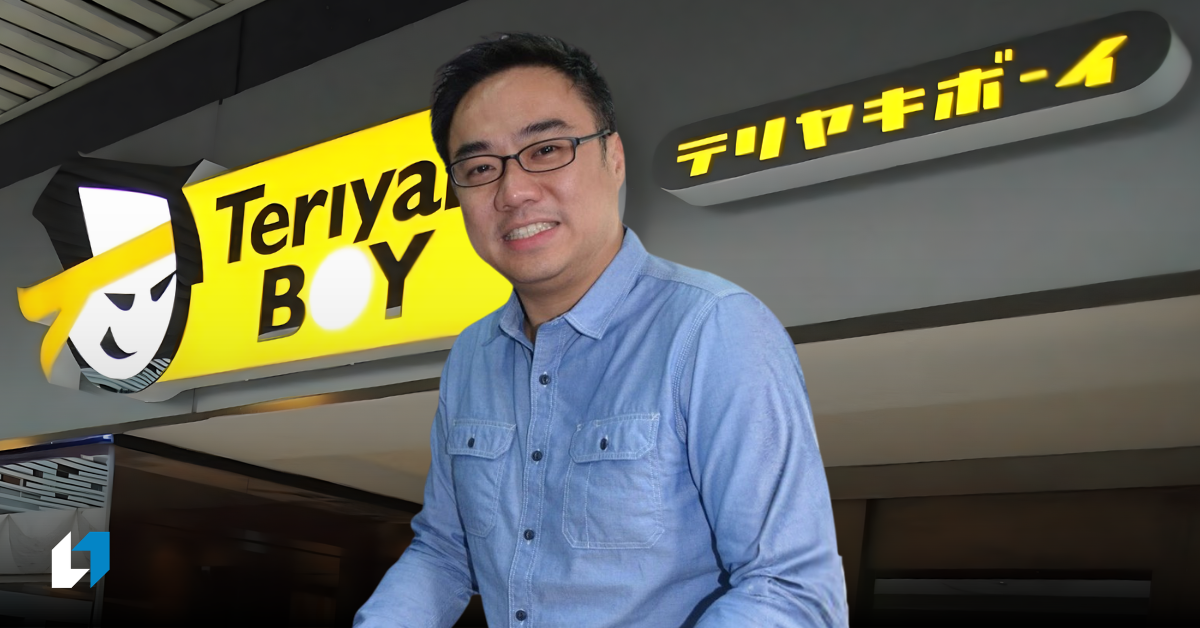
When Bryan Tiu was brainstorming names for his first original restaurant concept, he didn’t hire a branding agency or spend months studying the market. The idea came out of a casual conversation with a friend.
“My friend in marketing just said, ‘Why not Teriyaki Boy?’” Tiu recalled. “We laughed at first. It was so simple, parang cartoon character. But it stuck.”
The name wasn’t imported from Japan. It wasn’t inspired by tradition or culinary history. It was made up—catchy, playful, and completely local in feel. And that’s exactly what made it work.
Why It Worked
At a time when most Japanese restaurants in the Philippines leaned formal and high-end, Teriyaki Boy stood out for its approachability.
“People remembered it. Hindi siya intimidating pakinggan,” Tiu said. “The name helped break the barrier.”
While some names try to sound authentic or sophisticated, Tiu believed that memorability mattered more. Teriyaki Boy sounded friendly, easy to say, and relatable. It appealed to students, families, and young professionals who wanted a Japanese meal without the formality.
A Brand Identity That Grew With the Name
Once the name was locked in, Tiu built the visual identity around it. A family friend based in Canada designed the original logo, which featured a fun, manga-style character. The signage was bold, the interiors casual, and the vibe intentionally unpretentious.
“We wanted something na hindi mukhang masyadong seryoso,” he explained. “The name gave us room to play.”
That flexibility allowed the brand to evolve quickly. As new dishes were introduced and locations expanded, the name Teriyaki Boy continued to serve as a unifying anchor—familiar, accessible, and distinctly Filipino in tone.
More Than a Name
Tiu never claimed the name was genius. In fact, he embraces the randomness of it.
“It wasn’t some deep research process,” he said. “We just knew it had a ring to it—and most of all, that it made people smile.”
In an age where brands overthink identity, Teriyaki Boy was proof that simplicity can go further than sophistication—if it connects emotionally with your market.
Today, the name is etched into Philippine food culture. And it all started with a joke between friends—and a founder who understood that being remembered is the first step to building a brand that lasts.
This story is based on an interview originally conducted for Esquire by Henry Ong. Some quotes in this article may not have been published previously.

