

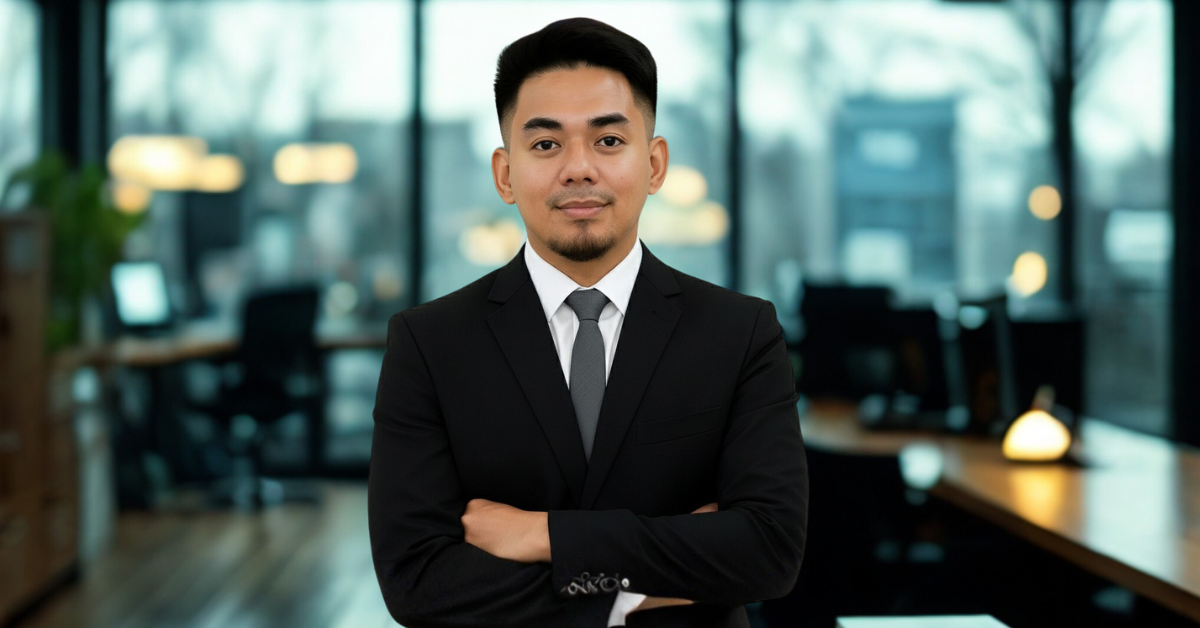
Career growth often looks neat in hindsight, but living through it rarely feels that way. For Alvin John Villanueva, a Certified Tourism Professional, progress came not from staying comfortable, but from repeatedly choosing uncertainty—and learning to grow within it.
His career journey moved through hotel reservations, immigration consultancy, delayed education, and eventually teaching future tourism and hospitality professionals. Each transition required him to let go of what felt familiar and step into roles that demanded new skills, new confidence, and a willingness to start over.
“The biggest challenge in every shift was self-doubt,” Villanueva says. “Changing careers meant starting over, leaving the comfort of what I already knew, and facing uncertainty.”
Learning early that comfort can limit growth
Villanueva began his career in hotel reservations, where accuracy and attention to detail mattered. Small mistakes could affect an entire trip. That experience taught him responsibility early on—but it also introduced him to the fast pace and pressure that define tourism and hospitality.
Adaptability became essential. “Life in this industry is full of unexpected turns,” he explains. “Early in my career, I used to feel overwhelmed by sudden changes.”
Over time, his mindset shifted. Instead of resisting disruption, he learned to manage it calmly. “Being flexible and calm under pressure can turn challenges into opportunities,” he says—a lesson that would resurface throughout his career.
Leaving familiarity to start over—more than once
One of Villanueva’s first major pivots came when he left hotel work to join a Canadian immigration consulting firm. At the time, he had not yet completed his Tourism degree, which made the transition more intimidating.
“I had to learn new skills, understand laws and processes I was unfamiliar with, and prove myself in an environment where mistakes had serious consequences,” he recalls. The work demanded discipline, precision, and resilience. It also forced him to confront doubt head-on.
That experience reshaped how he viewed career stability. Comfort, he realized, could quietly limit growth. Progress required discomfort—and patience.
Returning to school when it felt out of reach
For years, finishing a degree seemed impossible. Life made it difficult, and progress felt delayed. But one piece of advice stayed with him: “Never stop learning, no matter where you are in life.”
In 2018, Villanueva made the decision to return to school. By 2021, he earned his Tourism degree—a milestone that changed his trajectory. “That decision opened doors for me,” he says. “It reminded me that education is never wasted.”
The achievement gave him the confidence to take on new challenges, including graduate studies, professional teaching units, and eventually passing the licensure examination in 2024.
Each step reinforced a simple truth: growth does not require perfect timing—only persistence.
Stepping into teaching—and confronting doubt again
Another major shift came when Villanueva entered education. Teaching had long been a dream, but stepping into the classroom brought a familiar question back: Am I ready?
“Becoming an instructor was intimidating,” he admits. “I asked myself, ‘Will I be good enough? Will I inspire my students?’”
Instead of letting fear stop him, he leaned into learning once more. He improved his communication skills, invested in training, and embraced the mindset of a lifelong learner.
That approach transformed teaching into a natural extension of his experience. Today, he draws from years of industry work to guide students not only in technical skills, but in empathy, adaptability, and professionalism.
“I guide my students not just to be skilled professionals,” he says, “but also compassionate leaders.”
Why adaptability matters more than certainty
Villanueva believes standout professionals are not defined by credentials alone. What truly sets people apart is how they respond to change.
“This industry changes rapidly,” he explains. “Travel restrictions, new technologies, shifting customer expectations—adaptability makes the difference.”
Strong communication, cultural awareness, reliability, and a willingness to learn consistently matter more than rigid expertise. “Those who stay curious, humble, and eager to develop new skills will always remain relevant,” he says.
Technology, he adds, is now essential—but it cannot replace human connection. As systems become more digital, empathy and personalization become even more valuable.
Leadership shaped by discomfort
Villanueva’s leadership philosophy reflects the same lessons. He describes his management style as empathetic and collaborative—shaped by years of navigating uncertainty.
Early in his career, he leaned toward structure and control. Over time, he learned that empowerment and trust lead to better outcomes. “When people feel supported and valued,” he says, “they naturally contribute more.”
Handling conflict, for him, begins with listening. Addressing issues without blame, setting clear expectations, and balancing firmness with empathy help turn tension into growth.
“Conflict, when managed properly, can actually strengthen a team,” he notes.
Choosing growth over comfort—again and again
Looking back, Villanueva does not regret any of his career pivots. “They weren’t detours,” he says. “They were stepping stones.”
Each uncomfortable decision forced him to relearn, rebuild, and realign with his purpose. Over time, those choices shaped a career rooted not in stability, but in growth.
For professionals facing uncertainty, his experience offers a grounded reminder: comfort can feel safe—but growth lives elsewhere.
And sometimes, the bravest career move is choosing to step forward, even when the ground feels unfamiliar.

