

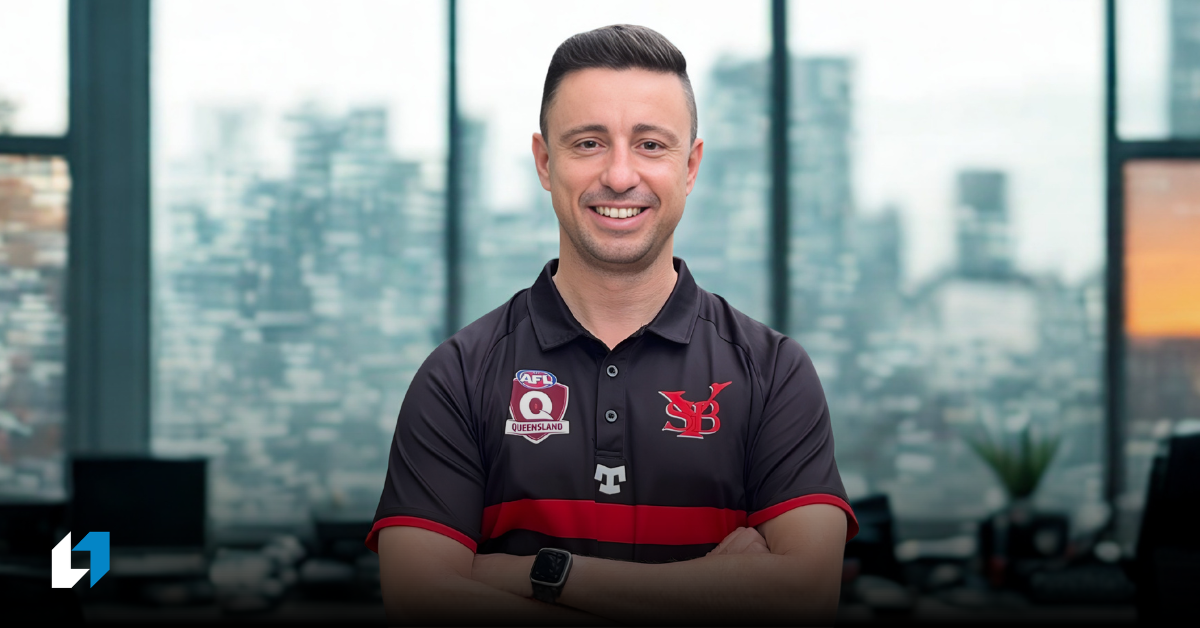
Many professionals spend years building expertise within a single role or industry. But for finance executive and consultant Anthony Saco, a Certified Management Accountant, career growth has often come from stepping outside familiar territory.
Over the course of his career, Saco has moved across multiple roles, industries, and countries. What began as a traditional accounting career eventually evolved into leadership roles in finance, operations, supply chain, and even general management. Today, he runs his own consultancy, helping businesses improve operations, clarify strategy, and strengthen performance.
His journey shows how adaptability, curiosity, and a willingness to learn can open new opportunities throughout a career.
From accounting to business leadership
Saco began his career as a public accountant, a path many finance professionals follow early in their careers. But over time, he expanded his responsibilities far beyond traditional accounting work.
He moved into roles in internal controls, audit, and regional finance before eventually becoming country head of Finance, Operations, and Supply Chain.
These roles exposed him to different parts of the business and allowed him to develop a broader understanding of how organizations operate.
Later, he made an even more significant shift. Instead of staying within the finance function, he stepped into positions in Key Account Management and General Management — roles that required a different set of skills and a deeper engagement with customers and business strategy.
Each transition meant learning new industries and adapting to different environments.
The challenge of proving your value
For Saco, the hardest part of changing roles was not learning new technical skills. It was learning how to clearly demonstrate his value in unfamiliar settings.
“The hardest part was learning how to show my value clearly — not just doing the work, but explaining why it matters,” he says.
In new roles, he often had to work alongside colleagues who had deeper experience in the business or industry. Instead of trying to prove expertise immediately, he focused on listening and asking questions.
“That meant listening closely to people who knew the business better than I did, asking the right questions, and getting up to speed quickly,” he explains.
This approach allowed him to build credibility while gaining a deeper understanding of how each organization operated.
A mindset built on humility and curiosity
Moving across roles and industries required a mindset that combined humility with curiosity.
“Every shift required humility, curiosity, and a strong focus on outcomes,” Saco says.
Humility helped him recognize when others had expertise he could learn from. Curiosity encouraged him to explore new perspectives and business models. And a focus on outcomes ensured that his work always contributed to tangible results.
Together, these traits made it easier for him to navigate unfamiliar territory.
Turning experience into a new career path
After years in corporate leadership roles, Saco made another major transition: he stepped away from the corporate environment to start his own consultancy.
The move allowed him to apply the lessons he had learned throughout his career while helping companies solve complex business challenges.
Today, he works with organizations to improve operations, strengthen strategy, and deliver better performance.
His diverse background across finance, operations, and management allows him to approach problems from multiple perspectives — an advantage that many consultants lack.
Why adaptability matters more than ever
In today’s rapidly evolving economy, Saco believes adaptability is one of the most valuable career traits professionals can develop.
Industries change, technologies evolve, and new opportunities emerge in unexpected places. Professionals who remain open to learning new roles and exploring different environments often discover career paths they never anticipated.
For Saco, every career shift brought new challenges — but also new insights and opportunities.
His experience shows that career success does not always follow a straight line.
Sometimes, the most valuable lessons come from the willingness to step into unfamiliar territory and learn along the way.

