

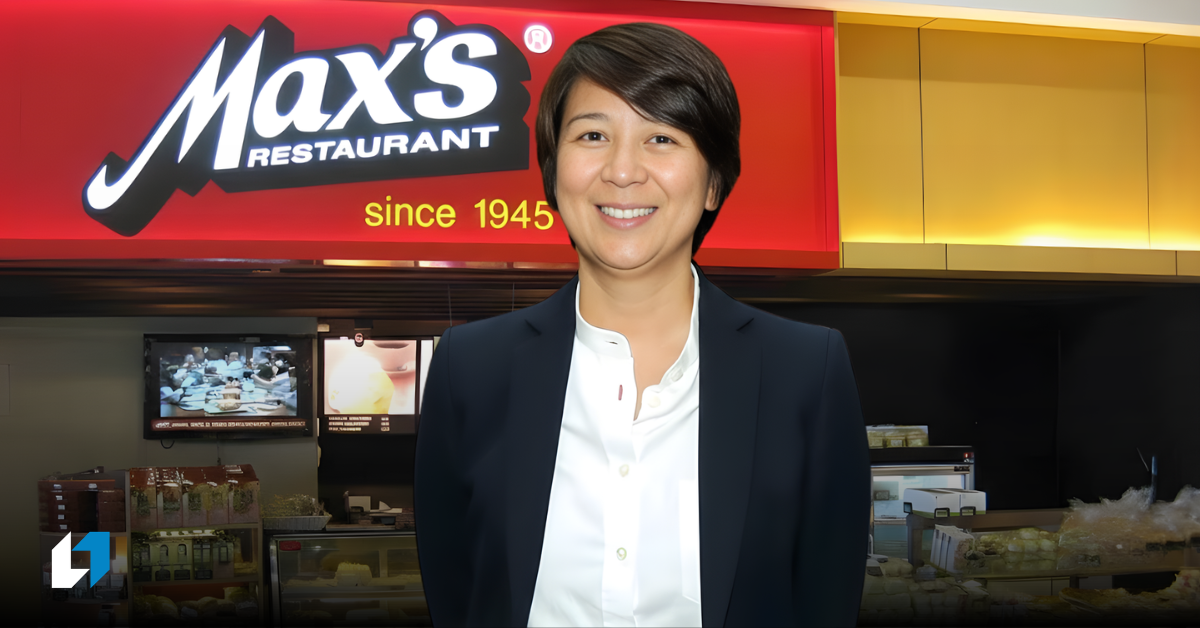
Max’s Restaurant may be known for its iconic fried chicken, but behind the scenes, it’s a masterclass in how legacy brands can evolve without losing their soul.
The family-run business, which began in 1945 in a humble home across from an American military camp, has grown into a household name with hundreds of branches. But longevity, says current Chairperson Sharon Fuentebella, doesn’t come from nostalgia alone—it comes from intentional reinvention.
“You need systems,” Sharon emphasized. “That was a major transition for us—coming together with just one way of doing Max’s.”
That shift toward unification was more than operational. It symbolized a deeper understanding: to sustain a brand built on tradition, they needed to speak with one voice while still honoring individual family contributions.
Over the years, Max’s has been stewarded by three generations, each adding their own layer of growth and complexity. “Each generation has brought something different,” Sharon shared. “There are members of the family who contributed at different times, in different roles.”
The real challenge, though, was not just maintaining the product—it was preserving the purpose.
Even as expansion efforts accelerated, from launching in Baclaran and Ermita to full-fledged franchising in 1998, the core remained clear: a commitment to hospitality, Filipino food, and togetherness.
The success of Max’s isn’t just about franchising, branding, or business acumen—it’s about knowing when to evolve and when to hold the line. Sharon points out that adapting to new markets while staying rooted in the company’s heritage is what keeps the spirit of Max’s alive.
“We’ve always found a way to come together,” she said. “That’s what allowed us to grow and stay relevant.”
In a fast-paced world where food trends fade quickly, Max’s proves that legacy can survive—and thrive—when it’s powered by shared values, modern strategy, and family-wide collaboration.
This story is based on an interview originally conducted for Esquire by Henry Ong. Some quotes in this article may not have been published previously.

