

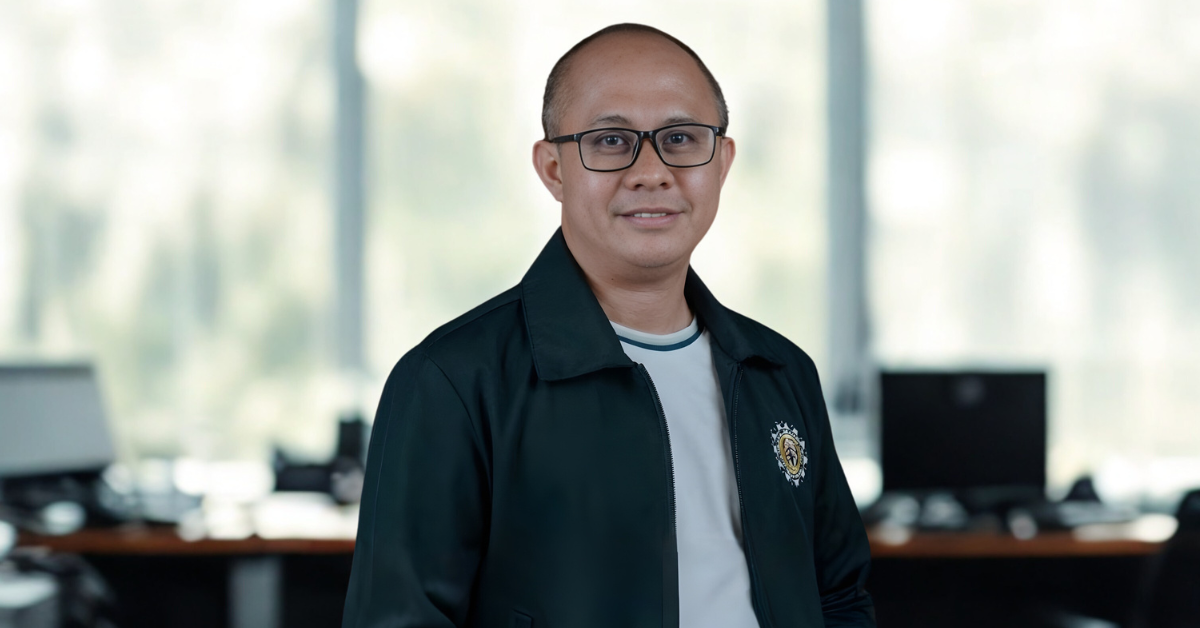
In an era where digital transformation accelerates at breakneck speed, one question looms larger than ever for business leaders: How can we protect our organizations from the next cyberattack, fraud scheme, or regulatory overhaul? For auditors like Benedict Bombaes, a Certified Internal Control Auditor (CICA), the answer lies not just in traditional compliance checks but in building future-proof risk management systems that evolve alongside technological and operational changes.
While his work at Aklan State University transformed internal controls into strategic governance tools, Bombaes’ broader philosophy extends far beyond institutional boundaries. He argues that today’s most effective auditors aren’t just reactive problem-solvers—they’re proactive architects of resilience, using cutting-edge technology to anticipate risks before they materialize.
“The traditional audit model is like checking your house for smoke detectors—you only know you have a fire when it’s too late,” Bombaes explained during a recent conference on emerging risk management. “Modern auditors must become early warning systems, using data analytics and predictive modeling to identify vulnerabilities before they escalate.” His approach reflects a growing trend among forward-thinking auditors who recognize that compliance alone won’t protect organizations in the face of rapid technological change.
One of the most transformative developments in recent years has been the integration of AI-powered fraud detection systems. Bombaes’ team at Aklan State University now employs machine learning algorithms capable of analyzing transaction patterns in real-time, flagging suspicious activity that would take human auditors months to detect. “We’re not just looking for what’s already happened,” he said during a technical workshop on predictive analytics. “We’re building systems that can predict what might go wrong before it does.”
This shift toward data-driven risk management extends beyond financial controls to encompass entire organizational ecosystems. Bombaes advocates for auditors to adopt a “risk-first” mindset, where every policy, process, and technology decision considers potential vulnerabilities.
“In today’s interconnected world,” he argued in a recent publication on governance innovation, “no organization operates in isolation. A single data breach can have cascading effects across supply chains, partnerships, and even national security.”
The implications for auditors are profound. Bombaes believes the next generation of internal control frameworks must incorporate continuous monitoring capabilities, where systems automatically adjust to new threats rather than relying on periodic reviews. “We’re moving from annual audits to real-time oversight,” he explained during a panel discussion on digital transformation. “The question isn’t whether we’ll be caught by surprise—it’s how quickly we can recover if we are.”
This future-focused approach also requires auditors to develop stronger cross-functional collaboration skills. Bombaes emphasizes that effective risk management demands partnerships between IT security teams, data scientists, and business leaders. “Auditors today must understand not just financial statements,” he said during a recent executive education seminar, “but the entire digital infrastructure supporting an organization’s operations.”
The Certified Internal Control Auditor (CICA) designation serves as both validation of this expertise and a call to action for the profession. Bombaes argues that certification should evolve beyond technical knowledge to include strategic risk management competencies, particularly in areas like:
Cybersecurity resilience – Understanding how digital systems interact with physical infrastructure
Supply chain risk assessment – Evaluating vulnerabilities across global operations
Regulatory agility – Preparing for rapid changes in compliance requirements
“The CICA of tomorrow won’t just audit financial statements,” Bombaes predicted during a recent industry conference. “They’ll be the architects of organizational resilience, ensuring that every decision—from cloud migration to new partnerships—considers the long-term risk profile.”
This shift represents more than an evolution in auditing practices—it signals a fundamental transformation in how organizations view risk management as a core business function rather than an afterthought. As technology continues to reshape industries at unprecedented speeds, Bombaes’ vision reminds us that the most effective risk controls aren’t just about preventing problems—they’re about creating organizations that can adapt and thrive in an increasingly complex world.

