

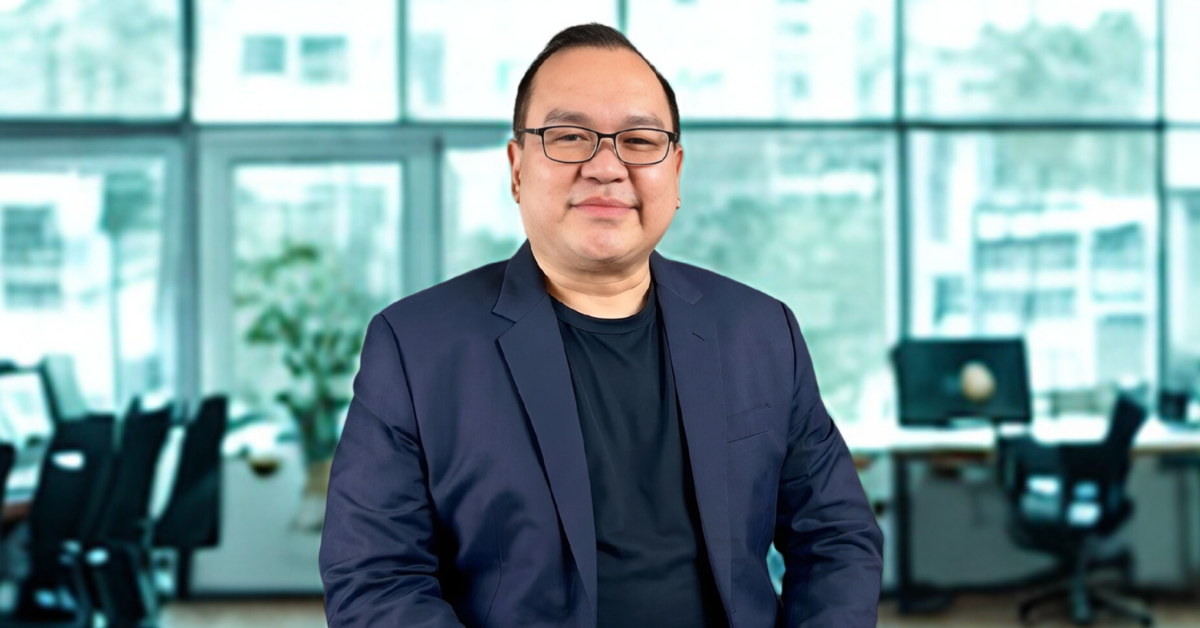
For many organizations, sales performance stalls not because of weak products or poor market conditions, but because leadership systems fail to keep pace with growth. As teams expand, priorities multiply, and complexity increases, sales leaders often struggle to align people, strategy, and execution. According to Ian Santos, a Certified Management Consultant (CMC®), the real issue is not capability—it is coherence.
With more than three decades of experience across multinational companies, regional leadership roles, and global training engagements, Santos has seen firsthand why sales teams lose momentum—and what it takes to rebuild them. His approach is rooted in deep operational experience, servant leadership, and a strong belief that developing people is the fastest way to scale results.
From Corporate Leadership to Consulting at Scale
Before fully stepping into consulting, Ian Santos built his career inside some of the world’s most recognizable organizations, holding senior roles such as National Sales Manager, Sales Director, Vice President for Sales and Marketing, and Country Manager. His corporate experience spanned industries including food and beverage, consumer goods, pharmaceuticals, healthcare, automotive, and manufacturing—giving him a rare, cross-industry view of how sales organizations actually operate under pressure.
What prepared Santos for consulting was not a single credential or role, but what he describes as “general management, sales, operations, and people development experience across industries and companies,” combined with an expat assignment in Moscow, Russia. That exposure taught him how culture, structure, and leadership behaviors can either accelerate or stall performance.
Over time, companies began seeking Santos’ help not just to train salespeople, but to diagnose deeper organizational issues—misaligned leadership teams, unclear strategies, and inconsistent execution. What began as advisory work eventually evolved into a full-fledged consulting practice focused on elevating sales and leadership to world-class standards.
Why Most Sales Teams Struggle
In today’s business environment, sales teams face increasing complexity—more channels, more data, more stakeholders, and more pressure to deliver results faster. Yet many organizations still rely on outdated leadership models that focus on control rather than capability.
What separates effective consultants from the rest, he explains, is not theory but experience. “Deep hands-on experience, with proven success in managing different business environments, industries and companies,” he says, is essential. Just as important is “the ability to understand client needs deeply” in order to deliver real value.
He has observed that sales organizations often fail when leaders focus too heavily on short-term targets without building the systems and people needed to sustain growth. Training alone is not enough. Without alignment across leadership, strategy, and execution, performance gains quickly fade.
A Servant Leadership Approach to Consulting
At the core of his consulting philosophy is servant leadership—a style that prioritizes removing obstacles so others can succeed.
“Ensuring I do my share to take out what obstacles I can so people can succeed,” he explains, is central to how he leads engagements. Rather than positioning himself as the expert with all the answers, he focuses on developing leaders who can replicate success across the organization.
“Developing people through training, coaching and mentoring is key so you can replicate yourself and enhance the skillset, capabilities and overall power of the team and the organization,” he says.
This approach allows organizations to sustain results long after the consulting engagement ends. Instead of dependency on external advisors, teams gain clarity, confidence, and capability.
When Leadership Alignment Changes Everything
One of the most telling examples of his impact involved a year-long engagement with a family-owned manufacturing company. The organization was in transition, with a new generation of leaders stepping into senior roles—many without prior corporate experience.
Over the course of the engagement, he worked closely with leadership across levels, facilitating alignment and strategic clarity. “By the time my consulting engagement was done,” he shares, “I was able to help them craft a revitalized Vision, Mission, Values as well as helped them craft strategies per department that have enhanced their operational excellence and commercial success.”
The result was not just improved performance, but stronger leadership cohesion and a clearer sense of direction across the organization.
Navigating Stakeholder Complexity
One of the biggest challenges in consulting, he notes, is managing competing priorities across stakeholders. “Balancing different priorities of stakeholders” requires discipline and clarity, he says, especially in complex organizations.
His solution is alignment—early and often. “You need to ensure alignment and direction on the vision and objectives of your consulting partnership in order to maximize value and results.”
He also emphasizes the importance of listening. His advice to aspiring consultants is straightforward: “Listen very well. Talk to all layers of the organization. Ensure that there is clear alignment and teamwork across the organization.”
Balancing Expertise With Humanity
While technical expertise matters, he believes it must be balanced with respect for people and context. “Learn how to time your mentoring & coaching on technical aspects vs people aspects,” he explains. Effective consultants, in his view, must “understand and respect the status quo while being a challenging voice who wants to help improve the status quo.”
This balance—between challenge and respect, expertise and empathy—is what allows change to take root.
Why Global Standards Matter
His decision to pursue the Certified Management Consultant (CMC®) designation was driven by a desire to anchor his work in globally recognized standards. He pursued the credential “to enhance my skills with global standards in consulting.”
The process required discipline and reflection. “Ensure that I give full time and attention to the sessions, and do a personal reflection after each session,” he says. Time management was the hardest part, but the outcome was worth it.
“Personally it gave me more confidence that I am equipped to provide value to others,” he shares. “Professionally, it gave me and my practice more credibility.”
The credential also reassured clients. “Being certified as a consultant with the CMC credential provides your clients assurance and peace of mind about the quality of work that you do,” he explains, adding that it has led to more referrals over time.
Elevating Sales and Leadership as a Lifelong Mission
At the heart of his work is a clear purpose: to elevate sales and leadership in the Philippines to world-class levels. He sees consulting not as a transactional service, but as a responsibility—to people, organizations, and the profession itself.
For sales teams struggling to scale, his message is clear: results improve when leadership systems evolve, people are developed, and alignment becomes non-negotiable. And for consultants considering the next step in their career, his journey offers a powerful reminder—credibility is built not just through experience, but through commitment to standards, ethics, and continuous growth.

