

Sometimes I wonder if technology is moving faster than we can handle. Every day, I see new tools, new apps, and new ways people connect online. It feels exciting, but also a bit overwhelming.
I don’t think we are going backward. But life definitely feels more complex now. Things that used to be simple, like talking to friends, getting news, or sharing ideas — now happen mostly online. And that changes how we deal with each other.
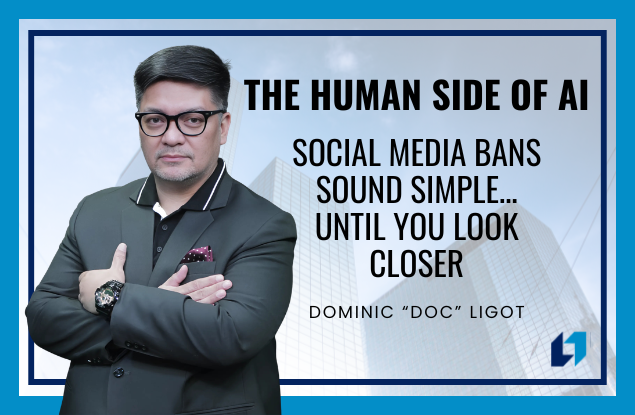
One big issue today is social media, especially for kids. Some countries want to ban social media accounts for children under a certain age. The idea is to protect them. Kids may not be ready for online pressure, misinformation, or harmful content.
Honestly, I understand that concern.
But at the same time, social media is also how many families stay connected. Some parents work abroad. Messaging apps help them talk to their kids every day. If we ban social media completely for minors, that connection might become harder.
That’s why I feel the issue is not simple. It’s not just “ban it” or “allow it.” There are real benefits and real risks.
Another thing that worries me is our level of media literacy. Many people, including me sometimes, are still catching up with technology like AI. We use digital tools daily, but we don’t always fully understand how they work or how they influence us.
Even in media, coverage of AI and digital issues still feels limited. Maybe some journalists find the topic intimidating. Technology can sound complicated. But I believe we need more conversations about it, not fewer.
Awareness is key.
Because our lives are already deeply digital. From the moment we wake up and check our phones, we are creating data. Watching shows, scrolling social media, even online shopping… all of these leave digital footprints.
Politics is also becoming data-driven. Campaigns use data to influence voters. Troll farms, for example, can make certain topics trend. Sometimes what looks popular online isn’t actually organic. It might be organized manipulation.
That realization changed how I see trending posts. Now I pause before reacting or sharing.
I also think our laws haven’t fully caught up yet. Online libel exists, but organized trolling can still operate in gray areas. That gap needs attention.
Still, I don’t believe fear should control us.
Technology isn’t the enemy. Lack of understanding is.
We need better education about digital life, stronger awareness campaigns, and smarter policies that protect people without cutting off useful tools.
For me, the lesson is simple: stay curious, stay cautious, and keep learning.
Because the digital world isn’t slowing down. And if we want to thrive in it, awareness may be our best protection.
Dominic “Doc” Ligot is one of the leading voices in AI in the Philippines. Doc has been extensively cited in local and global media outlets including The Economist, South China Morning Post, Washington Post, and Agence France Presse. His award-winning work has been recognized and published by prestigious organizations such as NASA, Data.org, Digital Public Goods Alliance, the Group on Earth Observations (GEO), the United Nations Development Programme (UNDP), the World Health Organization (WHO), and UNICEF.
If you need guidance or training in maximizing AI for your career or business, reach out to Doc via https://docligot.com.

