

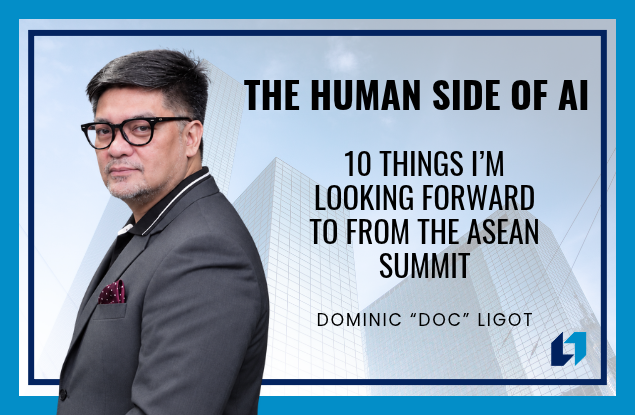
When I listen to the ASEAN Summit, I will have savers, workers, and small business owners in mind. They deserve a clear answer to a basic question: how will AI help make their lives more secure?
Talk about AI can get stuck on big firms and big deals. I want a wider view. A region grows stronger when more people can earn, protect their money, and use services they trust.
Here are ten things I am looking forward to.
- Plans with names and dates – A promise needs a budget and a team in charge. I want leaders to show what they will fund, when work will begin, and how they will check results. Clear spending plans help people judge whether a project has a fair chance of meeting its goals.
- A fair start for small firms – A small firm needs to know whether a tool is worth its cost. I hope support starts with simple uses, such as sorting orders or tracking stock. Measure the time saved, the errors reduced, and the full bill. Let owners try a small step before a large purchase.
- Support for workers as jobs change – Households need steady income. I want paid learning and help moving into new roles when work changes. Training should connect to tasks that employers need. Workers also need a voice in the changes. A course has limited value if there is no path from learning to earning.
- Clear rules that people understand – People need clear rules for safe AI use, including ways to spot and report scams. I hope leaders agree on basic safeguards and plain guidance. When an AI tool helps judge a loan or flag an account, people should know how to seek help and challenge a mistake.
- Stronger care for personal data – People should understand how their money records are used. I want clear limits on access and strong plans for data leaks. Firms should collect only what they need for a stated purpose. Trust depends on daily care, plain answers, and a fast response when something goes wrong.
- Useful tools in local languages – Money services should use words people understand. I hope local languages get real support, with tests led by local users. A clear message can help a person understand a bill, spot a false offer, or ask the right question. Keep human help within reach when a tool falls short.
- Real help in schools and clinics – Better schools and clinics can ease pressure on families. I want careful trials that help staff with routine tasks and leave more time for people. Check the full costs before expanding. Public money should support services that are safe, useful, and easier for ordinary families to reach.
- Better links between people doing the work – Government, schools, businesses, and community groups should share the work of making AI useful. I want joint projects with clear roles and budgets. Advisors and lenders can help small firms judge costs. Schools can build skills. Community groups can show where families need more help.
- More room for local builders – Local builders should have fair chances to compete. Buyers should also be able to move their work if a tool becomes too costly or stops meeting their needs. More choice can help firms manage costs and risk. Skills to judge tools matter as much as access to them.
- A public report on results – I want progress reports that look beyond spending and signings. Did a small firm keep more income? Did a worker find a new role? Did a service become safer or easier to reach? Use clear measures and share what failed as well as what worked.
Advisors have a role in this conversation, too. We can help clients slow down, ask questions, and check claims about new tools. A household should never feel pushed to trust a service just because it uses AI. The useful questions stay simple: what does it do, what does it cost, what could go wrong, and who will help if it does? Clear answers should come first.
For me, the best outcome is a stronger base for ordinary people. The summit should help turn AI plans into fair chances, trusted services, and gains that families can feel.
Dominic “Doc” Ligot is one of the leading voices in AI in the Philippines. Doc has been extensively cited in local and global media outlets including The Economist, Channel News Asia, South China Morning Post, Washington Post, and Agence France Presse. His award-winning work has been recognized and published by prestigious organizations such as NASA, Data.org, Digital Public Goods Alliance, the Group on Earth Observations (GEO), the United Nations Development Programme (UNDP), the World Health Organization (WHO), and UNICEF.
If you need guidance or training in maximizing AI for your career or business, reach out to Doc via https://docligot.com.

