

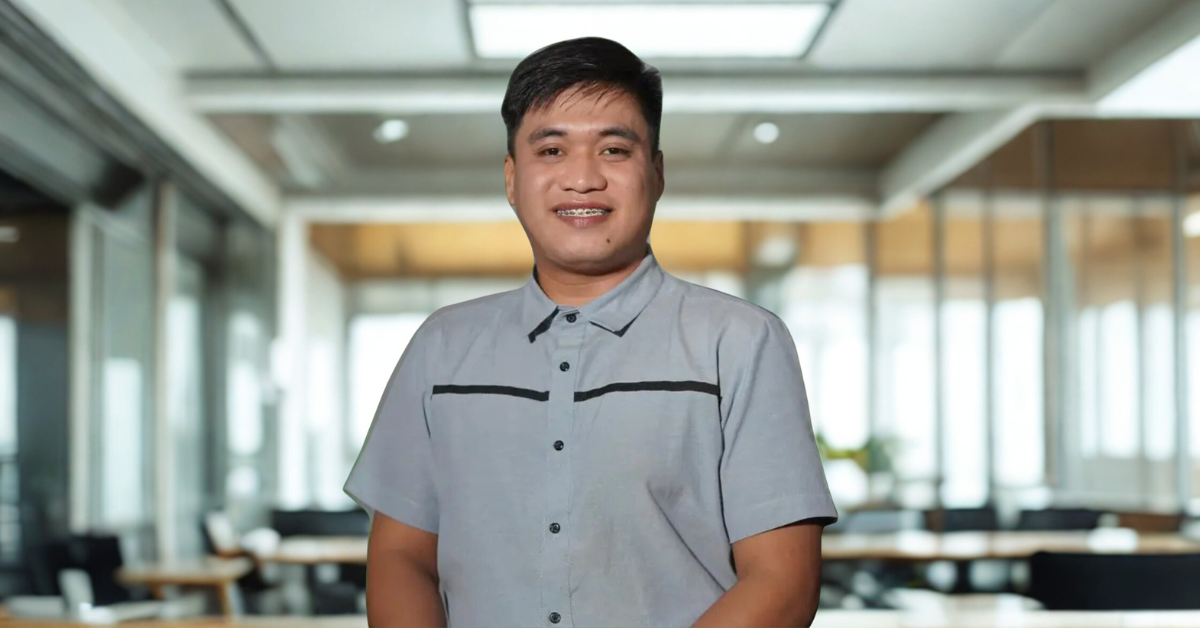
In hospitality, great service often takes center stage. But behind every seamless guest experience is something less visible—and increasingly critical: safety. For Romel Maloloy-On, a Certified Tourism Professional (CTP) and licensed Safety Officer 3, leadership in hospitality extends far beyond service excellence. It includes protecting people, managing risk, and building trust in dynamic environments.
His career sits at the intersection of education, hospitality practice, and safety management—a combination that reflects how leadership roles in tourism and hospitality are evolving.
Building a foundation in service and adaptability
Maloloy-On earned a Bachelor of Science in Tourism Management, which provided a solid academic base. Early in his career, however, he realized that success in hospitality depends not only on theory but on adaptability, communication, and a genuine passion for service.
The tourism industry’s constantly changing nature demands continuous learning. To stay current, he actively participates in industry conferences and online courses, particularly in areas such as sustainable tourism and technological advancements. One piece of advice shaped his professional outlook early on: always seek opportunities to expand your skill set and build meaningful professional connections.
Stepping into dual leadership roles
While Maloloy-On did not undergo a dramatic career pivot, transitioning from a college instructor to dual roles at SEAIT marked a significant turning point. Balancing teaching, curriculum development, and safety and security responsibilities required discipline, effective time management, and strategic prioritization.
This experience pushed him to view hospitality leadership more broadly—recognizing that safety, structure, and preparedness directly influence service quality, employee performance, and institutional credibility.
Why safety is now a leadership responsibility
As a licensed Safety Officer 3, Maloloy-On approaches safety not as a compliance requirement, but as a core leadership function. His training enables him to manage safety protocols, respond to emergencies, and support employee well-being in high-pressure situations.
In hospitality and tourism settings, where people interactions are constant and risks are real, leaders who understand safety create environments where teams can perform with confidence. Balancing organizational goals with employee well-being, he notes, requires clear communication, flexibility where possible, and a sincere commitment to employee development.
Leading with empathy and accountability
Empathy plays a central role in Maloloy-On’s leadership approach. When managing difficult team members or addressing workplace conflict, he emphasizes open communication and constructive, solution-focused feedback.
Rather than assigning blame, he seeks to understand root causes and guide teams toward outcomes that benefit everyone involved. Over time, his management style evolved from a more structured approach to one that empowers team members, encourages initiative, and builds trust.
One of the most important leadership lessons he learned is the value of effective delegation. Trusting the team’s capabilities allows people to grow and strengthens organizational resilience.
What makes a standout tourism professional today
According to Maloloy-On, standout professionals in tourism and hospitality demonstrate strong problem-solving skills, cultural sensitivity, and a proactive mindset. These qualities help individuals navigate complexity and change while maintaining service excellence.
To future-proof a career, he emphasizes the importance of specialization. Niche areas such as sustainable tourism and hospitality technology offer long-term relevance when paired with continuous professional development.
How certification reshaped his role as an educator
Earning the Certified Tourism Professional (CTP) credential marked a pivotal moment in Maloloy-On’s career. Preparing for the examination required him to revisit core principles of tourism, including sustainability, ethical practice, and cultural sensitivity.
The process went beyond memorization. It deepened his understanding of how tourism impacts communities and economies. Passing the exam validated his journey as both a tourism professional and educator, strengthening his ability to bridge theory and real-world practice in the classroom.
With the knowledge gained, his teaching became more engaging and grounded in reality. Students benefited from insights that connected academic frameworks with industry expectations and ethical responsibilities.
Educating future tourism leaders with purpose
Today, Maloloy-On uses his professional experience and CTP certification to help shape the next generation of tourism professionals. His classroom emphasizes not only technical competence, but also ethical responsibility, safety awareness, and cultural respect.
By integrating theory with practical application, he prepares students to enter the industry with a clear sense of purpose and accountability.
Leadership built on safety, service, and trust
Maloloy-On’s journey illustrates how hospitality and tourism leadership continues to evolve. Service excellence remains essential, but leaders are now expected to manage risk, safeguard people, and support sustainable growth.
For him, leadership is defined by preparation, empathy, and responsibility. In an industry built on human interaction, those who prioritize safety and well-being create environments where both people and organizations can thrive.

