

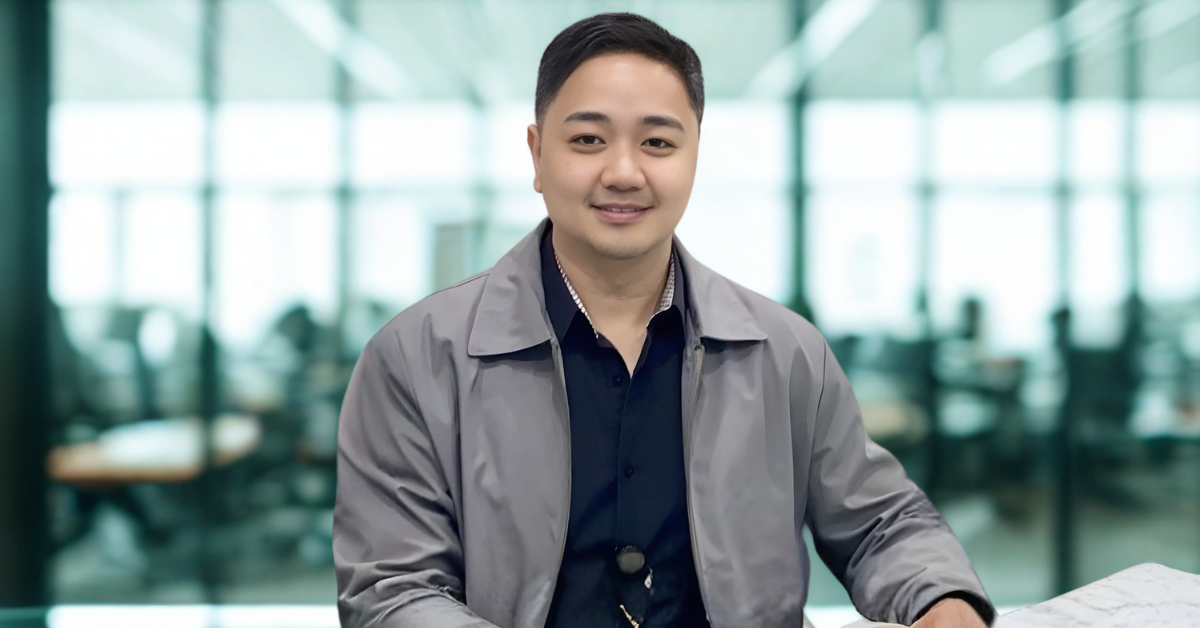
For decades, the accounting profession has been associated with financial reporting, compliance, and number crunching. But according to Larry Vicente, Certified Management Accountant, the role of finance professionals is rapidly evolving. In today’s business environment, accountants are expected to go far beyond preparing reports—they must become strategic decision-makers who help guide organizations through complex challenges.
Vicente believes that while technical financial knowledge remains essential, success in modern finance requires a broader set of skills that combine analysis, leadership, and adaptability.
“At the core, you must have strong financial understanding and analytical skills to make sound business decisions,” he says. “This is the foundation, and everything else builds from it.”
Why finance professionals must think beyond numbers
While accounting fundamentals remain important, Vicente argues that professionals today must understand how financial information connects to real business outcomes.
Finance leaders are increasingly expected to evaluate risks, identify opportunities, and support long-term strategic decisions across different parts of the organization.
That means working closely with teams outside the finance department and collaborating with leaders in operations, supply chain, and other functions.
To do this effectively, professionals must develop strong decision-making skills and the ability to view the business from multiple perspectives.
“A successful professional is a great decision-maker and a leader who can work in teams and collaborate with other areas to achieve business goals,” Vicente explains.
The impact of automation and AI
Technology is another major force reshaping the accounting profession. Automation and artificial intelligence are already transforming how financial data is processed and analyzed.
Some observers believe this trend may eventually replace traditional accounting roles. Vicente acknowledges that automation will certainly change how accountants work, but he does not believe it will replace the human element entirely.
“They say the work of accountants today is compromised by emerging AI technology, which is partly true,” he says.
However, Vicente argues that the most valuable professionals will still be those who can communicate clearly and ethically while helping organizations interpret financial information.
“What separates a successful professional from AI is the ability to give clear and ethical communication,” he says.
This human element—judgment, communication, and leadership—remains difficult for machines to replicate.
Staying relevant in a changing profession
To remain competitive, Vicente believes professionals must continuously strengthen both technical and soft skills.
“I always keep myself relevant by strengthening both my hard and soft skills,” he says.
He emphasizes that these skills work together: technical expertise helps professionals understand complex financial issues, while communication and leadership skills help them turn that knowledge into action.
Vicente also commits himself to lifelong learning through training programs, certifications, and professional networks. Staying informed about emerging technologies and industry trends allows him to remain effective in a constantly evolving field.
Equally important is maintaining the right mindset.
“I focus on having a mindset that embraces change, seeks constructive feedback, and continuously improves my value to my organization,” he explains.
The shift from finance specialist to business leader
Vicente’s own career reflects this shift from technical specialist to strategic leader.
After spending the first twelve years of his career working in accounting and finance roles, he made a major transition into general management. The move exposed him to operational challenges that went far beyond financial reporting.
He encountered issues such as operational inefficiencies, workforce disputes, safety concerns, and other day-to-day business challenges that required a deeper understanding of how organizations operate.
The experience allowed him to see how decisions in one part of the business affect people, processes, and performance across the organization.
Later, his responsibilities expanded further into supply chain operations, which strengthened his understanding of cross-functional decision-making.
These experiences motivated Vicente to pursue an MBA, which helped him develop a more holistic perspective on business and strategy.
The transition also strengthened his ability to make complex decisions that balance financial considerations with operational realities.
The future of the accounting profession
Looking ahead, Vicente believes the most successful finance professionals will be those who combine financial expertise with adaptability, leadership, and strategic thinking.
In a world where technology continues to transform the workplace, technical skills alone will no longer be enough.
Professionals must be flexible, proactive, and willing to continuously learn in order to remain effective.
“They must stay informed, remain adaptable, and be ready to embrace change to maintain sustainable performance,” Vicente says.
For Vicente, the message is clear: the future of accounting will not belong to those who simply report numbers.
It will belong to those who can use those numbers to guide decisions, solve business problems, and lead organizations forward.

