

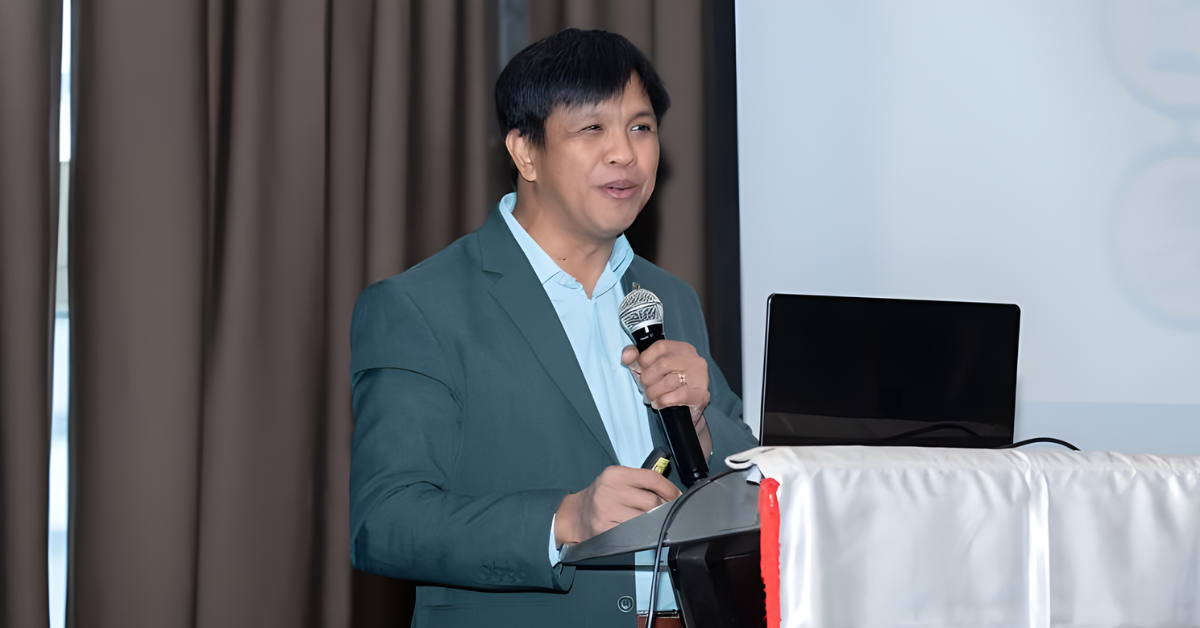
In traditional leadership circles, experience is often equated with expertise. But for Jun Roy, Certified Management Consultant and CEO of the Regenerative Transformation Institute, one of the most powerful lessons he’s learned is that wisdom has no age requirement.
“I have worked and continue to collaborate with younger talents who are far better and smarter than me in so many ways,” Roy told Financial Adviser. “I have already embraced that my role is not to prove that I am better than them—for I am not always—but to listen to them and support their growth.”
Rather than seeing younger team members as competition or subordinates, Roy sees them as partners in learning. He believes that leaders need to shift from being the source of all answers to becoming enablers of shared insight and innovation.
This mindset reflects Roy’s broader philosophy of regenerative leadership, where growth is mutual and multi-directional. “It’s not about control,” he said. “It’s about co-creation.”
Roy’s openness to learning from younger professionals is not just a sign of humility—it’s a strategy for staying relevant. As industries evolve and younger generations bring fresh ideas, digital fluency, and new perspectives, leaders who listen gain a powerful advantage.
“Reinvention enriches value,” Roy shared. “Each career shift I’ve made has required me to unlearn, relearn, and learn how to be more effective in what I do.”
He believes that adaptability is essential—and that includes learning from people with different experiences, especially the younger generation.
“Adaptability is not optional; it’s essential,” he emphasized.
Roy’s advice to fellow leaders? Drop the ego, stay curious, and let yourself be challenged by the people around you—no matter their age.
In a workplace where multigenerational teams are the norm, Roy’s approach sets the tone for collaborative, future-forward leadership.
“My mission now is to support growth—not just mine, but everyone’s,” he said.
By embracing the intelligence and potential of younger colleagues, Roy is not just building better teams—he’s shaping a more inclusive and innovative future.

