

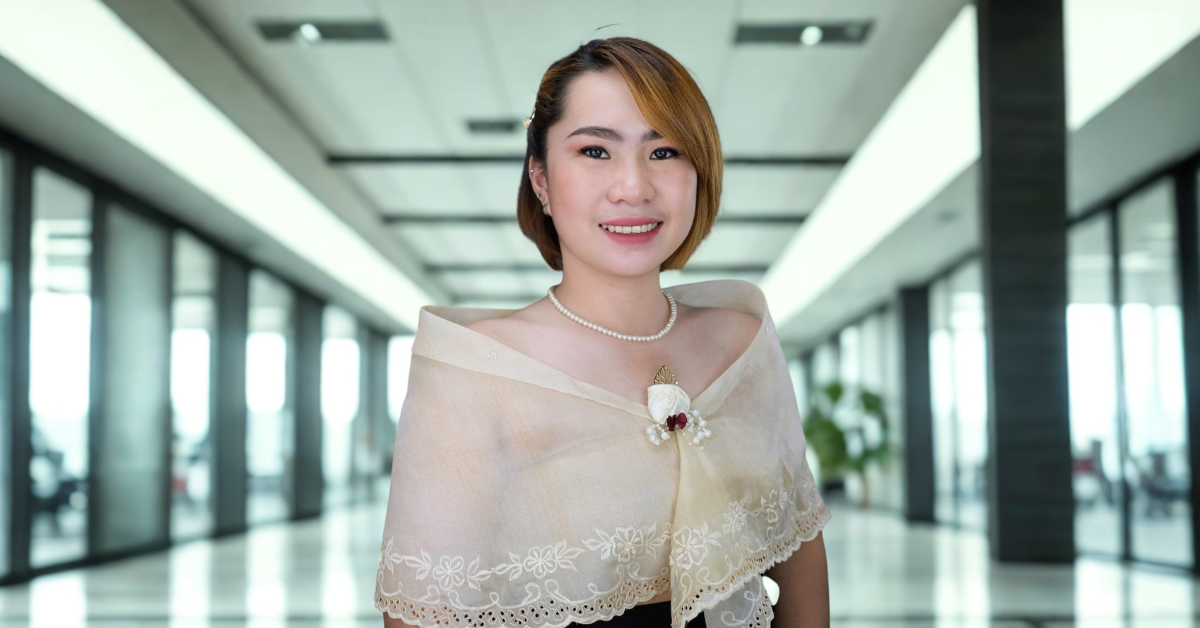
Leadership in the tourism and hospitality industry demands more than technical skills. It requires emotional intelligence, clarity, and the ability to bring out the best in a team that deals with thousands of different personalities every month.
For Karen Caroll Love Montealegre of the Subic Bay Metropolitan Authority (SBMA), Certified Tourism Professional, leadership is not defined by titles or authority. It’s defined by how you communicate, handle conflict, and build trust with people who look to you for guidance.
Karen works in SBMA’s Tourism Department under Tour Operations, VIP, and Cruise Services, and she leads as an ISO Internal Auditor – Team Leader. Her experiences have shaped a leadership philosophy centered on communication, fairness, and collaboration—values she learned through years of working closely with both guests and colleagues.
“I firmly believe that strong communication skills are the most critical leadership trait in the service and hospitality industries today. The moods of individuals can be easily influenced by the tone of your voice and the clarity and depth of your thoughts and messages.”
For her, communication is not simply about giving instructions. It is about creating an environment where people feel understood, valued, and motivated to deliver exceptional service.
Her Approach to Conflict: Listen First, Decide Later
Tourism is a fast-paced industry where misunderstandings and high-pressure moments happen naturally. Karen has seen this firsthand, and it’s why she believes good leaders must remain calm and objective when conflicts arise.
As she explains, “Whenever conflicts arise in the workplace, my approach is to stand in the middle and carefully listen to both sides of the issue. I always remind my team members that not all battles are worth fighting for; sometimes it’s wiser to simply let things pass.”
Her philosophy is rooted in fairness. She refuses to take sides without hearing the full story and believes that unresolved conflict damages teamwork, productivity, and guest experience. To avoid this, she emphasizes quick, honest conversations.
She clarified this further by sharing, “It’s crucial that conflicts between members are not prolonged. To ensure effective resolution, a group meeting involving all parties must be promptly held to address and resolve the issues.”
This mindset reflects a leader who prioritizes unity and understands that small tensions can grow into bigger problems when left unattended.
Leading by Example to Inspire Professionalism
Karen doesn’t believe in leadership through instructions alone. She believes in leadership through action. Working in tour operations means that every detail—from tone of voice to body language—affects the guest experience. Her method is to demonstrate the standard she expects.
“I constantly remind my team to always prioritize guests and maintain the highest level of professionalism, consistently going above and beyond to accommodate each and every guest. To effectively achieve this, I always strive to set a good example through my own actions and dedication.”
For Karen, inspiring people is about showing them what excellence looks like in real time, not just describing it. Her consistency, patience, and professionalism set the tone for how her team handles tourists, VIPs, and cruise guests who visit Subic.
A Modern Management Style Built on Collaboration
Inside SBMA, Karen contributes to a management style that values empowerment and shared decision-making. Rather than rely on top-down directives, she believes teams perform best when ideas flow freely.
She describes it this way: “Our team embraces a modern management style, where we empower each staff member to provide outstanding performance. We always prioritize collaboration, and every idea brought forward is carefully considered and taken into account, fostering a sense of ownership and contribution.”
This kind of workplace environment builds confidence. It turns team members into problem-solvers rather than order-takers, and it allows people to feel responsible for the quality of service they deliver.
The Leadership Lesson That Changed Everything
Among all the insights she has gained, one lesson stands out as the most impactful.
“The biggest and most important leadership lesson I’ve learned in the past few years is the profound importance of building trust and confidence in your team members. Not all members may be exceptionally good in this industry from the outset, but when they feel trusted and valued, they tend to exceed expectations because they also feel a genuine need to make you and the agency proud of their contributions.”
Karen understands something many leaders overlook: talent grows in environments where people feel supported, not judged. Trust increases performance. Encouragement increases initiative. When people believe their leader sees potential in them, they rise to meet that belief.
Balancing Organizational Demands With Personal Well-Being
Tourism is demanding, and Karen values mental health just as much as output. She believes leaders cannot support teams effectively when they are overwhelmed themselves. By keeping a balanced mindset, she stays effective in her role and encourages others to do the same.
Although she has not yet faced a defining “toughest decision,” she is prepared to handle challenges with the same fairness and calm approach that guides her everyday leadership.
Leadership in tourism requires emotional steadiness, communication, and empathy. Karen’s story illustrates how these qualities transform not just guest experience, but team performance as well. Through communication, fairness, collaboration, and trust, she has built a leadership style that supports her team and elevates the service standards of SBMA.

