

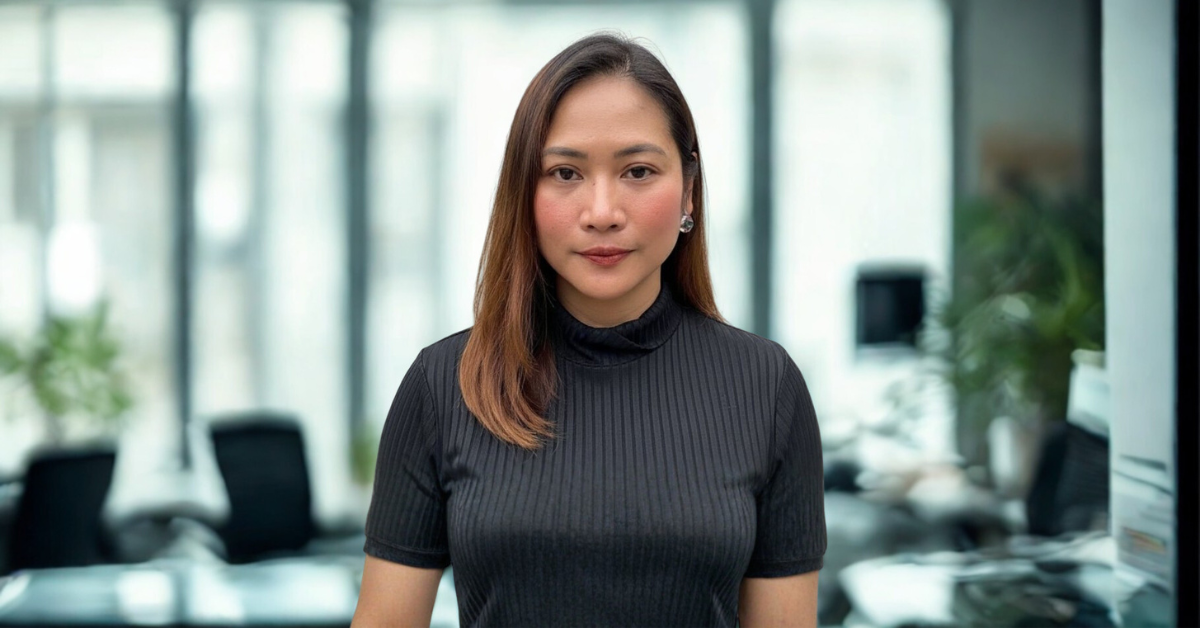
Revelyn Lorenzo-Marcos did not enter sales and marketing through a corporate fast track or a glossy executive role. Her journey began quietly—rooted in everyday realities, small-scale entrepreneurship, and community advocacy. Over time, those experiences shaped a people-centered marketing career that now spans education, cooperatives, and business consulting.
“My journey into sales and marketing started quietly, not in a corporate boardroom, but in the realities of everyday life as a small-scale entrepreneur and community advocate,” she shares. What drew her in was not persuasion or promotion, but purpose. “Marketing allows us to understand people deeply and then design solutions that genuinely make their lives better.”
Learning to sell ideas, not just products
Long before she carried formal titles, Lorenzo-Marcos, now Certified Marketing Professional, realized she was already practicing marketing. “Whether in the classroom, the cooperative, or in business, I was always selling ideas, building relationships, and helping others see value where they once saw only risk,” she explains.
That mindset became the foundation of her career. She went on to hold roles as a marketing executive at Honda Cars Pangasinan, Inc., a Business Development Officer at Kaiser International Healthgroup Inc., and a marketing consultant for the Dupax Social Environment and Agriculture Cooperative. Alongside this, she grew her own small-scale business and spent the past 12 years as an Assistant Professor I at Nueva Vizcaya State University.
Across these roles, her focus remained consistent: translating marketing into something practical and human. “Each success story—whether it is a student confidently presenting a marketing plan, or a farmer learning to position their products better—feels like a shared win,” she says.
Growth shaped by constraints, not comfort
Some of the most defining moments in her career came not from easy victories, but from limitations. There were projects that failed to gain traction, campaigns constrained by tight resources, and communities that initially struggled to see the value of marketing strategies.
“Those situations pushed me to be more creative, to listen more closely to the people I serve, and to become more data-informed while remaining people-centered,” Lorenzo-Marcos recalls. Instead of forcing solutions, she learned to start with context—understanding realities on the ground before applying frameworks or tools.
This approach gradually earned trust. Her transition into more strategic and leadership roles did not come from chasing titles, but from being relied upon. “Colleagues and organizations began to trust me with more responsibility—designing programs, curriculum development in marketing courses, advising on strategic directions, and representing groups in external environments,” she explains.
Leadership, she discovered, was less about authority and more about clarity. “I learned that leadership in marketing is less about a title and more about taking initiative, creating clarity, and helping others move forward with confidence.”
Wearing multiple hats—and keeping marketing grounded
Today, Lorenzo-Marcos balances three roles that inform one another. She continues her work as a marketing consultant for a cooperative, remains active as a small-scale business practitioner, and teaches future entrepreneurs and marketers at the university level.
These overlapping perspectives keep her grounded. Running a business, she notes, forces her to confront “the realities of cash flow, customer behavior, and market uncertainties.” Teaching, meanwhile, keeps her focused on fundamentals and ethics—especially as marketing tools evolve.
“What excites me most today is the speed at which ideas can travel and create impact,” she says. Digital platforms have leveled the playing field, allowing even small players to tell their stories. But speed also brings responsibility. “This fast-paced environment demands that we remain ethical, intentional, and empathetic, because trust is still the most valuable currency.”
Why listening matters more than messaging
When connecting with clients—whether students, farmers, cooperative leaders, or entrepreneurs—her approach stays simple. “Listen first, understand their context, and speak in their language, not mine,” she explains. Marketing, for her, is not about imposing jargon, but translating ideas into something relatable and useful.
That philosophy has shaped campaigns she is most proud of—especially those centered on storytelling. By helping cooperatives and small businesses highlight local products, community impact, and member success stories, she has seen both pride and market interest grow.
The trend she watches most closely is the rise of purpose-driven and community-based marketing. “Businesses are expected to stand for something more than profit,” she says. While she is optimistic about digital tools and AI, she remains cautious. “These tools can make campaigns more targeted and efficient, but they should never replace genuine human connection and integrity.”
Selling stories that move people forward
Looking back, Lorenzo-Marcos sees marketing not as a function, but as a bridge—connecting people to opportunities they may not have recognized on their own. Her career reflects what happens when marketing starts with empathy and ends with empowerment.
By helping people learn how to tell their stories—clearly, honestly, and with purpose—she has shown that effective marketing does more than sell. It builds confidence, creates momentum, and helps communities move forward together.

