

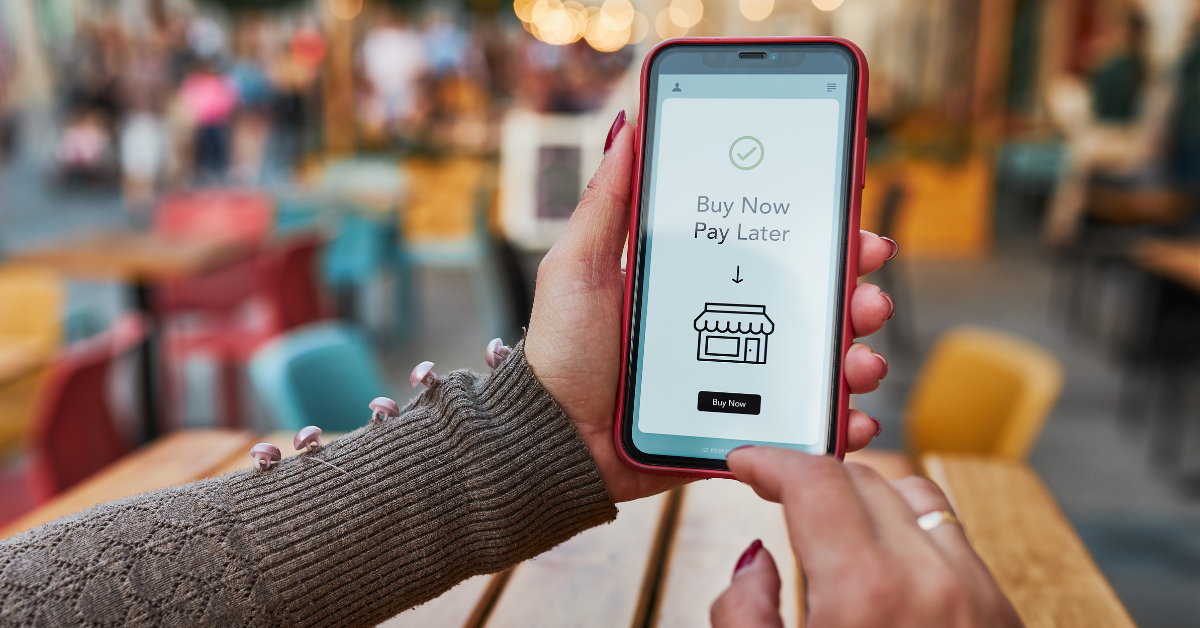
Buying something used to require effort. You had to save, apply for a credit card, or think twice before committing to a purchase. Today, all it takes is a few taps on a smartphone.
Buy now, pay later—or BNPL—has transformed the way Filipinos spend, especially online. Platforms like Atome, BillEase, Plentina, LazPayLater, and SPayLater are now seamlessly integrated into e-commerce apps, offering instant approval and installment plans at checkout. For many shoppers, the decision to buy no longer feels like borrowing at all.
According to Registered Financial Planner Rosemarie Gases, this shift is not accidental. It is the result of deliberate design choices meant to influence behavior.
“BNPL platforms are built to remove friction from spending,” Gases says. “The faster the approval and the easier the checkout, the less time people have to think. When thinking is removed, emotions take over—and emotions are very easy to monetize.”
From Credit Cards to One-Click Loans
In the past, access to installment financing required applying for a credit card. Banks reviewed income, credit history, and payment behavior before extending credit. The process was slow, and that slowness acted as a natural barrier.
“That delay used to protect consumers,” Gases explains. “It forced people to pause, to ask themselves if they really needed the purchase. Today, that pause is gone.”
Now, many BNPL applications approve users in minutes, sometimes without a meaningful assessment of long-term affordability.
“When borrowing becomes instant, it no longer feels like debt,” she says. “It feels like a feature—something that makes shopping easier, not something that needs careful consideration.”
The Emotional Triggers Behind BNPL
Gases says BNPL thrives because it aligns perfectly with how people naturally make decisions.
“Humans don’t decide based on spreadsheets. We decide based on how we feel in the moment,” she says. “BNPL platforms are designed to catch you at that emotional peak—when you’re excited, inspired, or influenced.”
This is where neuromarketing comes in.
“Retailers track behavior, emotions, and response patterns,” Gases explains. “They know when a customer is most likely to say yes. BNPL is introduced at that exact moment—right before checkout—when resistance is lowest.”
For millennials and Gen Z, this often intersects with influencer culture.
“You see a lifestyle online—travel, gadgets, fashion—and BNPL makes it feel attainable immediately,” she says. “You’re not thinking about next month’s payments. You’re thinking about how good it will feel when the item arrives.”
Why Instant Gratification Feels Necessary
The appeal of BNPL is amplified by economic pressure. Inflation continues to erode purchasing power, while incomes struggle to keep pace.
“Many people feel like they are falling behind,” Gases says. “BNPL offers the illusion of control—the feeling that you can still keep up, even if your income hasn’t grown.”
But that illusion comes at a cost.
“Instead of adjusting consumption, people borrow to maintain a lifestyle,” she explains. “It’s a short-term emotional fix, not a long-term financial solution.”
Repeating Old Mistakes in a New Form
Gases draws parallels between BNPL platforms and the online lending apps that surged in popularity years ago.
“We’ve seen this story before,” she says. “Easy credit gets marketed as empowerment, but it often targets those who are already financially vulnerable.”
She worries that BNPL normalizes borrowing before discipline is built.
“When people haven’t learned to manage cash flow, giving them instant credit doesn’t help them—it trains them to rely on debt.”
Why Awareness Matters
BNPL providers argue that they are transparent about terms and that responsibility lies with the user. Gases does not disagree—but she says awareness is uneven.
“Just because information is disclosed doesn’t mean it’s understood,” she says. “When someone is emotionally driven, they are not reading terms. They are clicking ‘agree.’”
Her concern is not with the tool itself, but with how it reshapes behavior.
“BNPL teaches people to prioritize desire over reflection. Over time, that habit becomes dangerous—not just financially, but psychologically.”
The Real Question
Gases believes the BNPL debate is bigger than platforms or regulation.
“The real issue is not whether BNPL should exist,” she says. “The issue is whether people are being taught how to think before they spend.”
Without that pause, she warns, easy credit will continue to fuel overconsumption.
“If we don’t slow down and question our impulses, we will keep borrowing to feel good today—and paying for it long after the excitement is gone.”

