

Close Menu

    Subscribe to Updates

    Get the latest creative news from FooBar about art, design and business.

    What's Hot

    He Dropped Out of School at 14—Dubai Became His Business School

    July 22, 2026

    How Delimondo Founder Katrina Ponce Enrile Created Corned Beef for Her Father—and Accidentally Built a Brand

    July 22, 2026

    Why Cyma Founder Chef Robby Goco Chose the Kitchen Over a Family Legacy in Law

    July 22, 2026
    Facebook X (Twitter) Instagram
    Facebook LinkedIn
    Financial AdviserFinancial Adviser
    • Home
    • Success
      • Leadership & Growth
      • Entrepreneurship
      • Business Strategy
      • Inspiring Stories
    • Money
      • Investing
      • Personal Finance
      • Wealth Building
      • Financial Planning
    • Work
      • Career Development
      • Workplace Culture
      • Productivity & Efficiency
      • Management & Performance
    • Life
      • Relationships & Family
      • Health & Wellness
      • Mindfulness & Balance
      • Personal Growth
    • Inspiration
      • Vision & Purpose
      • Overcoming Adversity
      • Motivational Stories
      • Mindset & Motivation
    • Opinion
    Financial AdviserFinancial Adviser
    Home»Money»Personal Finance»Rising Prices, Falling Peso—Here’s How to Keep Your Finances Strong
    Personal Finance

    Rising Prices, Falling Peso—Here’s How to Keep Your Finances Strong

    FinancialAdviser.phMarch 6, 20253 Mins Read
    Share Facebook Twitter LinkedIn Email Copy Link
    Share
    Facebook Twitter LinkedIn Email Copy Link

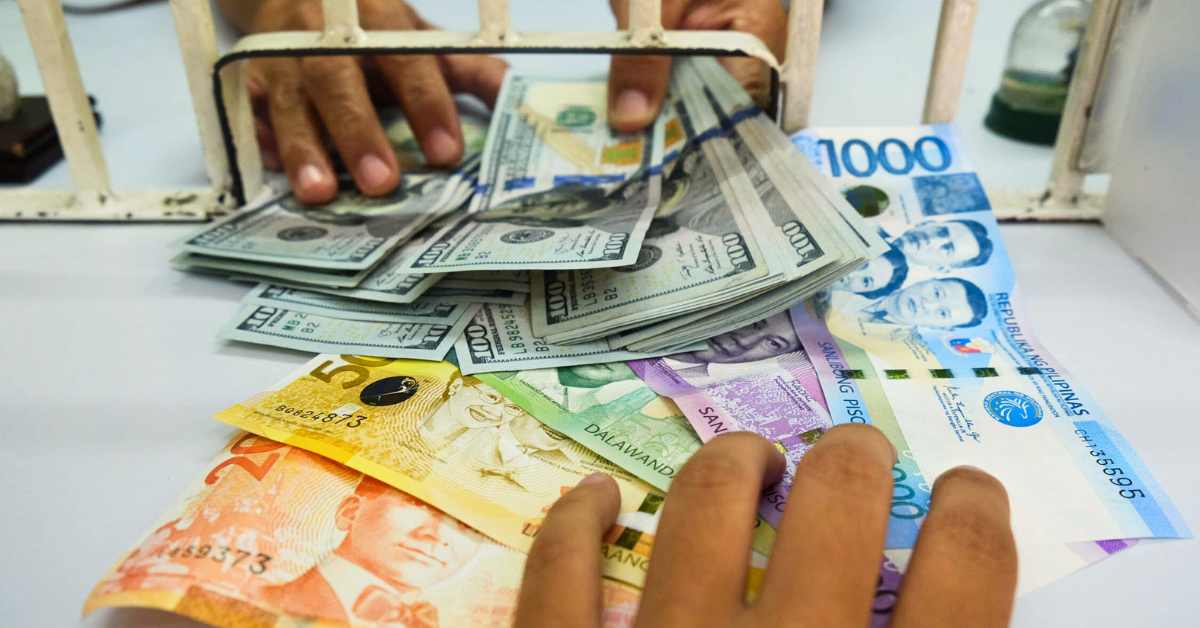
    The Philippine peso has been on a downward trend, and if recent economic signals are any indication, it’s likely to continue weakening. While a depreciating currency might sound like bad news, the reality is more complex—it affects different people in different ways.

    “A weaker peso makes imports more expensive and drives up inflation, but it also benefits exporters and OFWs,” Henry Ong, a Registered Financial Planner, told FinancialAdviser.ph

    So why is the peso struggling, and what does it mean for your finances? Here’s what you need to know.

    1. Why the Peso Is Falling

    The peso’s decline isn’t random—it’s driven by a mix of global and local factors.

    Stronger US dollar: When the US Federal Reserve raises interest rates, global investors move their money into dollars, making emerging-market currencies like the peso weaker.

    High imports, low exports: The Philippines imports more than it exports, meaning more demand for dollars to pay for goods, which weakens the peso.

    Foreign debt repayments: The government and companies need dollars to pay off international loans, adding pressure on the peso.

    “The peso’s movement is largely tied to external factors, but local spending and government policies also play a role,” says Ong.

    1. The Impact on Prices—Higher Costs for Everyday Filipinos

    A weaker peso directly affects inflation. Since the Philippines imports a lot of goods—fuel, food, and electronics—prices go up when the peso weakens.

    If you’ve noticed groceries, gas, and travel costs rising, the exchange rate is partly to blame.

    “When the peso depreciates, businesses pass on higher import costs to consumers. This is why inflation remains a challenge,” says Ong.

    1. Who Benefits from a Weaker Peso?

    Not everyone loses when the peso drops. Some industries actually profit from a weaker currency.

    Overseas Filipino Workers (OFWs) – Remittances are worth more when converted into pesos, giving OFW families more spending power.

    Exporters – Businesses selling products abroad earn more pesos per dollar, improving their profits.

    Tourism sector – A cheaper peso makes the Philippines more attractive for foreign tourists.

    1. How to Protect Your Money from Peso Depreciation

    If the peso continues to weaken, you need to adjust your financial strategy.

    Diversify investments – Consider foreign-currency investments like US stocks or global funds to hedge against peso depreciation.

    Cut unnecessary imports – If you rely on imported products, expect higher costs. Look for local alternatives when possible.

    Boost income sources – A weaker peso means inflation may stay elevated. Having multiple income streams can help offset rising costs.

    The Bottom Line

    The peso’s decline affects everyone differently. While OFWs and exporters benefit, everyday consumers face higher prices on essentials.

    To stay ahead, adjust your financial plan, consider diversifying investments, and be mindful of inflation risks. The peso’s movement may be out of your control, but how you manage your money isn’t.


    Loading

    Previous ArticleWhy Interest Rate Cuts Aren’t Always Good News for Your Money
    Next Article A High P/E Ratio Doesn’t Always Mean Overvalued—Here’s Why

    Related Posts

    Personal Finance

    The Discount Deception: Why That Sale Price Isn’t Saving You Money

    July 17, 2026
    Personal Finance

    How ‘On The Money’ Turned Edric Mendoza From Interviewer Into Financial Planner

    July 17, 2026
    Personal Finance

    The Hidden ‘Money Leaks’ That Drain Your Income, According to a Financial Planner

    July 8, 2026
    Add A Comment

    Comments are closed.

    ATRAM AI Banner Ad
    Stay In Touch
    • Facebook
    • Twitter
    • LinkedIn

    Subscribe to Updates

      Get the latest updates from Financial Adviser about financial literacy and business acumen. Subscribe to our mailing list!

      By checking this, you agree to our Data Privacy Consent/Agreement and accept our use of such cookies.
      I agree to the Terms and Conditions

      Facebook X (Twitter) LinkedIn RSS

      Home

      Sucess

      • Leadership & Growth
      • Entrepreneurship
      • Business Strategy
      • Inspiring Stories

      Money

      • Investing
      • Personal Finance
      • Wealth Building
      • Financial Planning

      Work

      • Career Development
      • Workplace Culture
      • Productivity & Efficiency
      • Leadership & Management

      Life

      • Relationships & Family
      • Health & Wellness
      • Mindfullness & Balance
      • Personal Growth

      Inspiration

      • Vision & Purpose
      • Overcoming Adversity
      • Motivational Stories
      • Mindset & Motivation

      Contact Us

      Subscribe to Updates

        Get the latest updates from Financial Adviser about financial literacy and business acumen. Subscribe to our mailing list!

        By checking this, you agree to our Data Privacy Consent/Agreement and accept our use of such cookies.
        I agree to the Terms and Conditions

        Copyright © 2026 Financial Adviser. All rights reserved.

        • Privacy Policy

        Type above and press Enter to search. Press Esc to cancel.

        FINANCIALADVISER.PH USES COOKIES TO ENSURE YOU GET THE BEST EXPERIENCE WHILE BROWSING THE SITE.

        By continued use, you agree to our Data Privacy Consent/Agreement and accept our use of such cookies. For further information, click the link Data Privacy Consent/Agreement.