

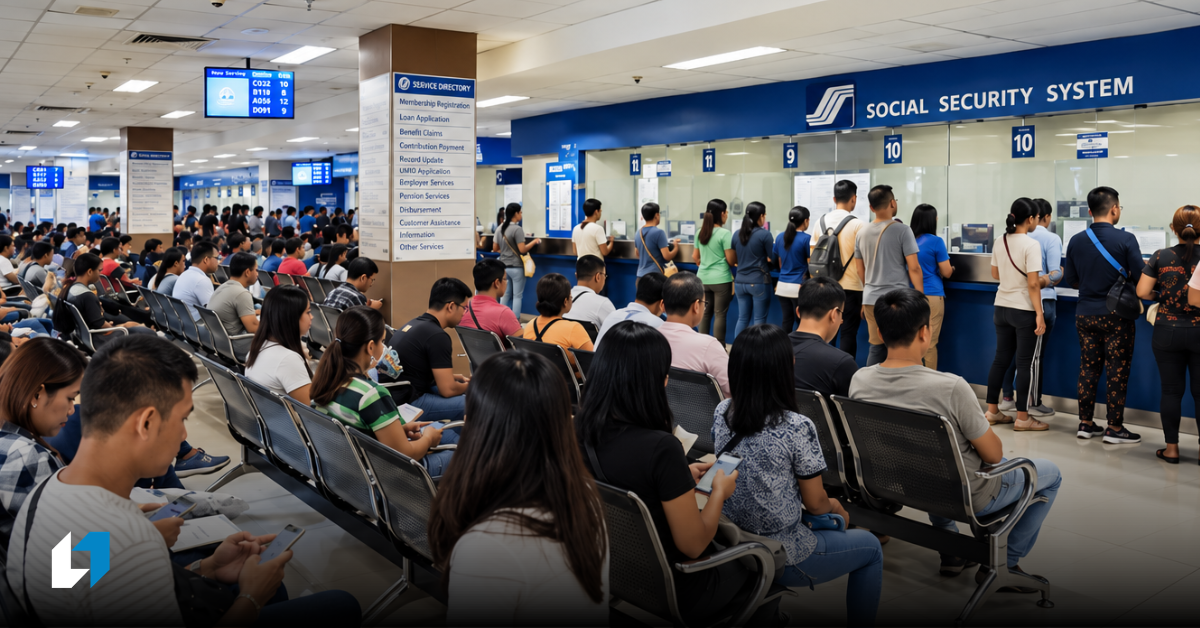
Anyone who has stood in a long line at a bank, government office or popular restaurant has probably wondered why the queue seems to move more slowly the longer it gets. The obvious explanation is that there are too few employees serving too many customers, but research highlighted by the Kellogg School of Management suggests that the line itself may sometimes become part of the problem.
Researchers led by Kellogg operations professor Achal Bassamboo found that in some service settings, longer waiting times can change customer behavior once service finally begins. Customers who have waited longer may ask more questions, complete more transactions or take more time deciding, which increases service time and makes the queue even longer.
This creates what the researchers describe as a self-reinforcing cycle. A few unusually slow transactions can cause the queue to grow, the longer wait can then encourage later customers to spend more time at the counter, and those longer transactions can further slow the line for everyone else.
In extreme cases, the researchers found that a service system can experience what they call “congestion collapse.” A queue that was previously manageable can suddenly become extremely long even when the business normally has enough capacity to handle customer demand.
The idea is particularly relevant in the Philippines, where long queues are common across banks, restaurants, hospitals, clinics and government offices. Consider a customer who has waited 45 minutes at a bank branch. Once that customer finally reaches the officer, he may decide to complete several transactions, inquire about another product and update account information rather than return and queue again another day.
The same behavior can occur in restaurants. After waiting outside for a table, customers may spend more time studying the menu, asking for recommendations or requesting changes to their orders, while patients who have waited several hours at a clinic may understandably raise several concerns during the consultation rather than schedule another appointment.
Government offices can face a similar effect. Someone who has already spent half a day waiting may try to complete every possible transaction at the same window, which is rational from the customer’s perspective but can make the experience even slower for those still waiting.
What makes the Kellogg research useful for managers is that it suggests the solution may not always require permanently adding staff. If congestion has been triggered by a temporary surge, a short-term intervention may sometimes be enough to prevent the queue from entering a self-reinforcing cycle.
For example, a restaurant could temporarily assign another employee to take orders, a supermarket could open additional checkout counters during a sudden rush, or a bank could move staff from administrative work to customer service when waiting times exceed a certain threshold. Once the queue becomes shorter, customers may return to their normal service behavior, which can allow the system to stabilize again.
The study also suggests that managers may sometimes misdiagnose the problem if they focus only on employee productivity. An increase in average service time does not necessarily mean employees have become slower; it may reflect customers who require more attention after spending longer periods waiting.
That means businesses should not look at waiting time and service time as completely separate metrics. They may need to ask whether longer waiting itself is changing the amount of service customers demand once they reach the front of the queue.
Long queues also have a direct economic cost. Some customers decide not to join a queue when they see how long it is, while others leave before being served, which means businesses can lose potential revenue at the same time that congestion reduces operating efficiency.
The broader lesson is that customer behavior is part of the operating system of a business. Waiting affects expectations, expectations affect behavior, and behavior affects service time, so a queue can sometimes create the conditions that make itself even longer.
For Philippine businesses, this means the best response may not always be simply to hire more people. In some situations, the more effective strategy is to detect congestion early and intervene before the waiting time becomes long enough to change how customers behave.

