

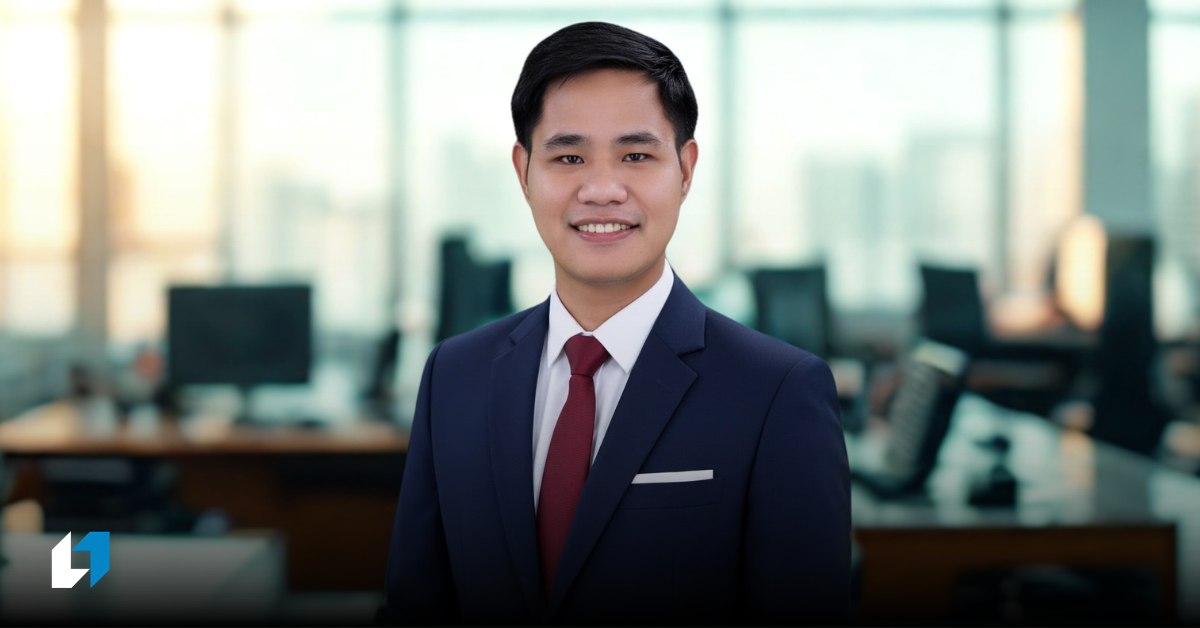
Dexter Chang-awen, a Certified Hospitality Professional, has built his perspective around one idea: success in hospitality is not just about what you know, but how you apply it in real situations. Working in a fast-paced, people-driven industry has shown him that technical skills alone are not enough.
“To thrive in hospitality, professionals must have strong communication and interpersonal skills,” he says.
For Chang-awen, service is about interaction. The ability to connect with guests, understand their needs, and respond effectively is what creates a positive experience.
More Than Technical Skills
While many focus on technical competence, Chang-awen believes a broader set of abilities is required. Hospitality demands flexibility, awareness, and the ability to handle unexpected situations.
“Customer service excellence, cultural awareness, and adaptability are essential,” he explains.
He also highlights problem-solving and emotional intelligence as key factors in handling complaints and challenges. These skills allow professionals to respond calmly and maintain service quality under pressure.
Staying Competitive in a Changing Industry
The hospitality industry continues to evolve, and staying competitive requires ongoing development. Chang-awen emphasizes the importance of continuous learning and exposure.
“I stay competitive by immersing myself in different avenues like certifications,” he says.
Learning, for him, is not limited to formal education. It includes staying updated on trends, embracing innovation, and being open to new ideas that improve performance.
A Mindset for Long-Term Growth
One of the most important lessons he carries is about growth—not just professionally, but personally. Success in hospitality requires a long-term mindset.
“Continue to grow not only in career but also in life,” he says.
This perspective helps professionals stay motivated and adaptable, especially in an industry where change is constant.
What Sets Professionals Apart
In a competitive environment, Chang-awen believes that standing out requires more than just meeting expectations. Professionals need to continuously improve and stay ahead.
“A standout candidate is competitive and advanced in terms of learning,” he says.
A willingness to learn and improve allows individuals to take on more responsibilities and contribute more effectively to their teams.
Preparing for the Future
Looking ahead, Chang-awen sees adaptability as essential for long-term success. The industry is shaped by technology, sustainability, and changing customer expectations.
“Professionals can future-proof their careers by continuously developing skills,” he explains.
He also emphasizes the importance of resilience and cross-cultural competence, which help professionals respond to global trends and diverse environments.
Leadership in a Service-Driven Industry
As a leader, Chang-awen focuses on communication and emotional intelligence. These qualities help build stronger teams and improve service delivery.
“The most critical leadership traits are communication, emotional intelligence, and a commitment to service excellence,” he says.
He believes effective leaders are adaptable and able to motivate diverse teams, especially in dynamic work environments.
Managing Challenges Effectively
Handling workplace conflict is part of leadership, and Chang-awen approaches it with structure and fairness. Addressing issues early helps maintain a positive work environment.
“Managing conflict requires clear communication and focusing on behavior rather than personality,” he explains.
By listening objectively and identifying root causes, leaders can resolve issues without affecting team morale.
Leading by Example
To inspire performance, Chang-awen believes leaders must demonstrate the standards they expect. Actions often influence teams more than instructions.
“Leaders should lead by example and communicate a shared vision,” he says.
Recognizing achievements and providing feedback also play a key role in motivating employees to perform consistently.
Evolving as a Leader
Over time, his leadership style has become more collaborative and people-focused. He has learned the value of trust and adaptability in managing teams.
“My management style is collaborative and people-focused,” he says.
By empowering team members and encouraging accountability, he creates an environment where individuals can grow and contribute effectively.
Lessons in Leadership
Through experience, Chang-awen has learned that leadership is built on consistency and continuous improvement. Clear communication and emotional awareness remain essential.
“Leadership is about leading by example, communicating clearly, and practicing emotional intelligence,” he says.
These lessons help guide his approach to both team management and service delivery.
Balancing Performance and Well-Being
For Chang-awen, achieving results should not come at the expense of people. A supportive environment leads to better performance over time.
“Striking a balance means aligning business objectives with a supportive work environment,” he explains.
Encouraging flexibility and recognizing effort help maintain motivation and prevent burnout within teams.
Making Difficult Decisions
Leadership also involves making tough choices, especially when performance standards are not met. These decisions can be challenging but necessary.
“One of the toughest decisions was letting a team member go despite repeated coaching,” he says.
Balancing individual impact with team needs reinforced the importance of accountability and clear expectations.
A Career Built on Growth and Adaptability
Looking ahead, Chang-awen believes that success in hospitality will continue to depend on adaptability and continuous learning. Professionals who evolve with the industry will have a clear advantage.
For him, growth is not a one-time effort, but an ongoing process shaped by experience, reflection, and improvement. Because in hospitality, success is not just about what you know—it’s about how you apply it.

