

Organizations often struggle not because they lack ideas, but because they lack the structure, leadership, and strategic clarity needed to turn those ideas into sustainable results. In many institutions—especially in education and public-facing organizations—effective change requires more than technical expertise. It requires the ability to align people, policies, and long-term strategy.
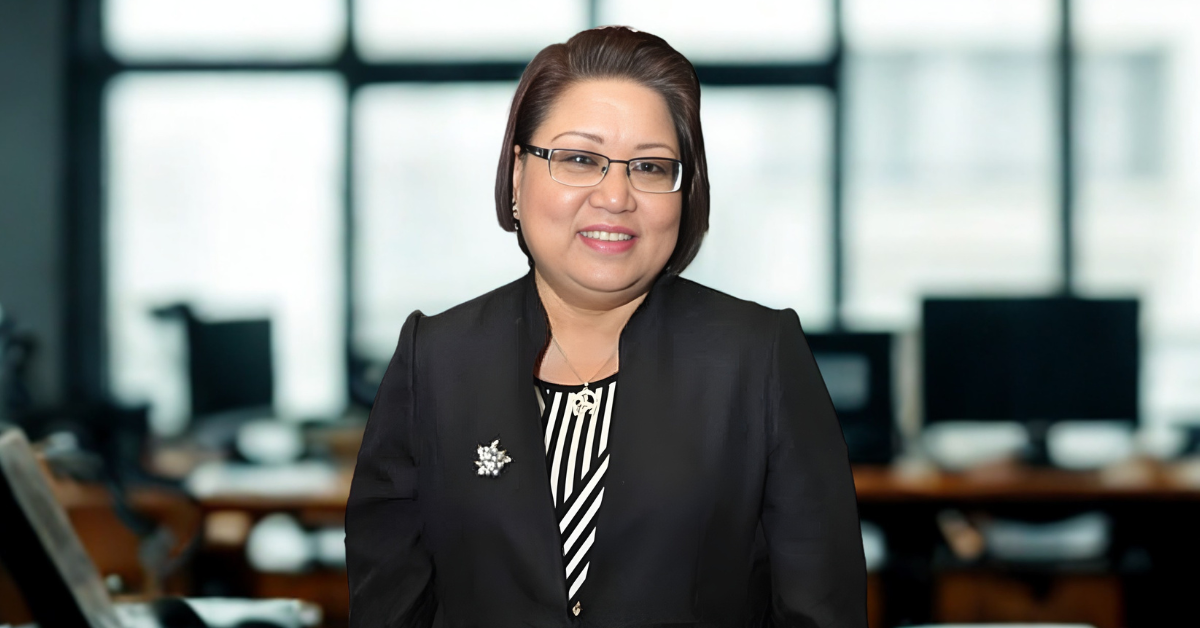
This intersection of leadership, strategy, and organizational improvement is where Dr. Maria Victoria Rosas, Certified Management Consultant (CMC®), has built her professional reputation.
A management professional and academic with extensive experience in higher education, business administration, and organizational leadership, Dr. Rosas has spent much of her career working with institutions to strengthen governance, improve performance, and guide strategic transformation. Her professional background includes teaching, curriculum development, academic administration, and advisory roles in management, entrepreneurship, and strategic planning.
“My entry into consulting was really a natural extension of my academic and administrative work,” she explains. “As I worked with institutions on program development, accreditation, and strategic initiatives, I saw how management principles could help organizations address real operational challenges.”
Over time, these experiences evolved into a formal consulting practice focused on helping organizations improve governance structures, operational systems, and long-term strategic planning.
From academia to consulting
Much of Dr. Rosas’ professional experience has been rooted in the higher education sector. Through years of working with universities and academic institutions, she developed deep insight into institutional leadership, faculty management, and quality assurance processes.
Her work involved not only teaching but also helping institutions navigate accreditation requirements, curriculum reforms, and strategic planning initiatives.
“Academic institutions operate within complex regulatory environments while also fulfilling their mission of education and research,” she says. “Effective leadership requires balancing compliance, institutional vision, and long-term sustainability.”
Over time, her consulting engagements expanded beyond academia to include professional organizations, small and medium enterprises, and institutions connected to the public sector.
This exposure to different sectors strengthened her ability to analyze organizational systems and develop solutions that are both practical and sustainable.
“Consulting requires understanding the culture, people, and context of an organization—not just the numbers or processes.”
A consulting approach built on evidence and collaboration
Several professional experiences helped shape Dr. Rosas’ consulting philosophy.
Her background in research and institutional assessment strengthened her analytical capabilities, enabling her to evaluate complex organizational challenges and convert findings into actionable strategies.
“Strong analysis allows consultants to transform data into meaningful insights that guide decision-making,” she explains.
Equally important were the leadership skills she developed through academic administration.
Managing programs, working with multidisciplinary teams, and overseeing policy implementation gave her a systems-level perspective on organizational performance.
“Organizations are interconnected systems. Strategic goals must align with operational realities for real progress to happen.”
Her experience working with stakeholders at different organizational levels also strengthened her communication and relationship-building abilities.
“Consulting is ultimately about collaboration. Solutions become sustainable when people across the organization understand and support them.”
The evolving role of consultants
Dr. Rosas believes the consulting profession is evolving rapidly in response to changes in technology, workforce expectations, and global business dynamics.
“Consulting today is becoming more multidisciplinary and impact-oriented,” she says.
One of the most important trends shaping the industry is digital transformation. Organizations increasingly rely on data, analytics, and technology to improve efficiency and guide decision-making.
“Consultants today are not only strategy advisors—they are partners in helping organizations redesign processes and adopt digital tools that support innovation.”
Sustainability has also become a central concern.
“Organizations are increasingly expected to integrate environmental, social, and governance principles into their operations,” she explains. “Consultants must help clients align economic goals with broader societal impact.”
In the Philippines, she also sees growing opportunities for cross-sector collaboration involving public institutions, private companies, and nonprofit organizations.
Leadership through collaboration
Dr. Rosas describes her leadership style as collaborative, values-driven, and results-oriented.
Rather than relying solely on authority, she focuses on building trust and empowering teams to contribute their expertise.
“Leadership is about listening actively, encouraging dialogue, and creating an environment where people feel confident sharing ideas,” she says.
This leadership philosophy also influences how she approaches consulting engagements.
“Consulting solutions are most effective when stakeholders are involved in designing them. That ownership leads to stronger implementation and lasting results.”
Her focus on ethics, accountability, and continuous learning also shapes the way she leads projects and advises organizations.
Guiding organizations through change
One consulting project that demonstrated this approach involved a mid-sized organization undergoing operational restructuring to address declining performance and internal inefficiencies.
The organization faced low morale and fragmented leadership.
Dr. Rosas began the engagement by facilitating alignment workshops with senior management to clarify strategic priorities and success metrics. She also encouraged active participation from department leaders and staff in diagnosing problems and developing solutions.
“The objective was to transform the initiative from consultant-driven change to organization-owned transformation,” she explains.
Through phased implementation and transparent communication, the organization successfully adopted a new operating model and improved coordination across departments.
“Effective consulting leadership is not only about technical knowledge—it is about guiding people through change with clarity, empathy, and accountability.”
A commitment to excellence in consulting
Dr. Rosas’ pursuit of the Certified Management Consultant (CMC®) designation reflects her dedication to maintaining high professional standards.
“The CMC® represents a global benchmark of competence, ethics, and professionalism in consulting,” she says.
For her, earning the credential was both a professional milestone and a commitment to continuous improvement.
“I wanted to benchmark my consulting practice against international standards and ensure that the work I deliver reflects the highest level of quality.”
Since becoming a CMC®, the designation has strengthened her professional credibility and connected her to a global community of consultants committed to excellence.
Advice for aspiring consultants
For professionals considering consulting careers, Dr. Rosas emphasizes the importance of integrity, preparation, and strong relationships.
“Clients rely on consultants during critical moments, so credibility and trust must always come first,” she says.
She also encourages consultants to focus on collaboration rather than simply delivering recommendations.
“Successful consultants listen carefully, understand the client’s reality, and work together with stakeholders to create solutions that last.”
Ultimately, she believes the most effective consultants are those who combine analytical expertise with ethical leadership.
“Consulting is about creating lasting value—helping organizations build stronger systems, develop capable leaders, and achieve sustainable success.”

