

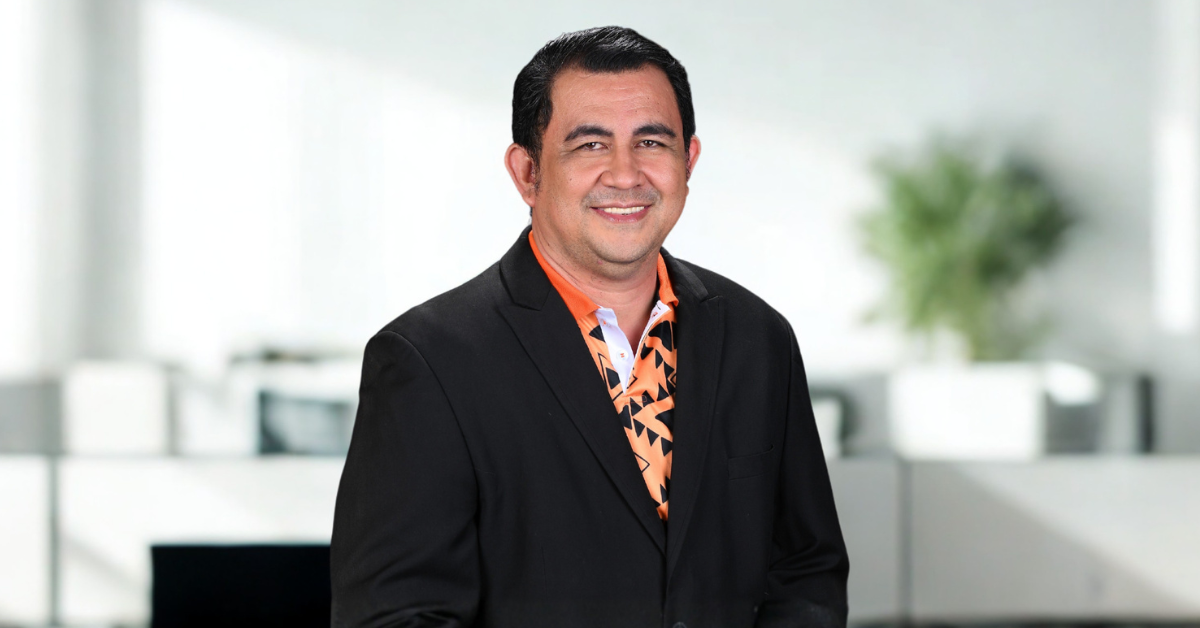
In the tourism and hospitality industry, success is often associated with luxurious destinations, efficient operations, and world-class service standards. But according to Paolo Abecia Querol, Certified Hospitality Professional (CHP), Municipal Tourism Officer of Talisayan, Misamis Oriental, the most important factor in hospitality is something far simpler: authenticity.
“The best career advice I’ve ever received is to serve with authenticity,” he says.
For Querol, genuine service cannot be manufactured or scripted. When professionals serve with sincerity, guests and colleagues naturally feel the difference. That authenticity, he believes, builds trust—the foundation of meaningful hospitality experiences.
The skills that define hospitality professionals
Working in tourism requires more than operational expertise. According to Querol, professionals must develop a blend of interpersonal and leadership skills to thrive in an industry that revolves around human interaction.
“Adaptability, empathy, and communication are the heart of this industry,” he explains.
Tourism professionals interact with people from diverse backgrounds, cultures, and expectations. The ability to understand these differences and deliver personalized experiences often determines the success of a destination or service.
Leadership and cultural intelligence are also important in promoting inclusive and sustainable tourism practices.
As communities increasingly recognize tourism as a driver of economic growth, hospitality professionals must balance service excellence with responsible development.
Staying competitive in a changing industry
The tourism sector continues to evolve as travelers seek more personalized and culturally meaningful experiences.
To remain competitive, Querol emphasizes the importance of continuous learning and collaboration.
As a Certified Hospitality Professional and Regional Trainer for the Filipino Brand of Service Excellence, he regularly participates in training programs and capacity-building initiatives designed to improve service standards.
International exposure has also played an important role in his professional development.
Through training in Singapore and Korea, as well as travel across Asia and the United States, Querol has observed how different destinations approach hospitality and tourism management.
These experiences allow him to learn from global best practices while applying ideas that fit the Philippine context.
A career shaped by diverse experiences
Querol’s professional journey has taken him across several fields within tourism and hospitality.
He began in hospitality operations before transitioning into academia and eventually entering public service.
Each stage of his career required developing new competencies.
Operational roles focused on delivering service and managing guest experiences. Academic work required teaching, research, and mentorship. Public service introduced policy development and community engagement.
“The biggest challenge was balancing administrative responsibilities with my passion for hands-on service and teaching,” he says.
Yet these experiences also helped him see tourism from multiple perspectives—as both a business and a human-centered industry.
What makes a standout hospitality professional
In Querol’s view, standout professionals combine technical competence with strong character.
Professionalism and emotional intelligence allow hospitality workers to connect with guests and colleagues effectively.
Equally important is maintaining a positive attitude and demonstrating integrity in everyday interactions.
“A standout candidate understands not only the technical side of tourism and hospitality but also how to connect, lead, and inspire people,” he explains.
These qualities help build lasting relationships and strengthen the reputation of tourism organizations.
Preparing for the future of tourism
Looking ahead, Querol believes the future of tourism will depend on how well the industry integrates innovation, sustainability, and technology.
Professionals who commit to lifelong learning and ethical leadership will be best positioned to succeed.
“Those who continuously upskill, respect cultural heritage, and lead with ethical awareness will remain relevant and resilient,” he says.
Tourism professionals must also recognize their role as stewards of culture and community.
By preserving heritage while embracing innovation, they can help create experiences that benefit both travelers and local communities.
Leadership through service
As a leader, Querol believes hospitality leadership must always remain service-oriented.
Empathy, accountability, and vision are essential traits for guiding teams and organizations toward meaningful goals.
He encourages leaders to inspire others by example and to empower team members to take pride in representing Filipino hospitality.
Through recognition, mentorship, and shared purpose, leaders can motivate teams to deliver service that reflects the warmth and generosity of the Philippines.
A lesson in leadership
Over the years, Querol has learned that leadership is less about titles and more about actions.
“Titles don’t make leaders—actions do,” he says.
Great leaders listen, adapt, and nurture the potential of others.
They also recognize that excellence in hospitality is not a single achievement but a habit built through discipline, humility, and passion.
In an industry that thrives on human connection, that mindset may be the most valuable leadership lesson of all.

