

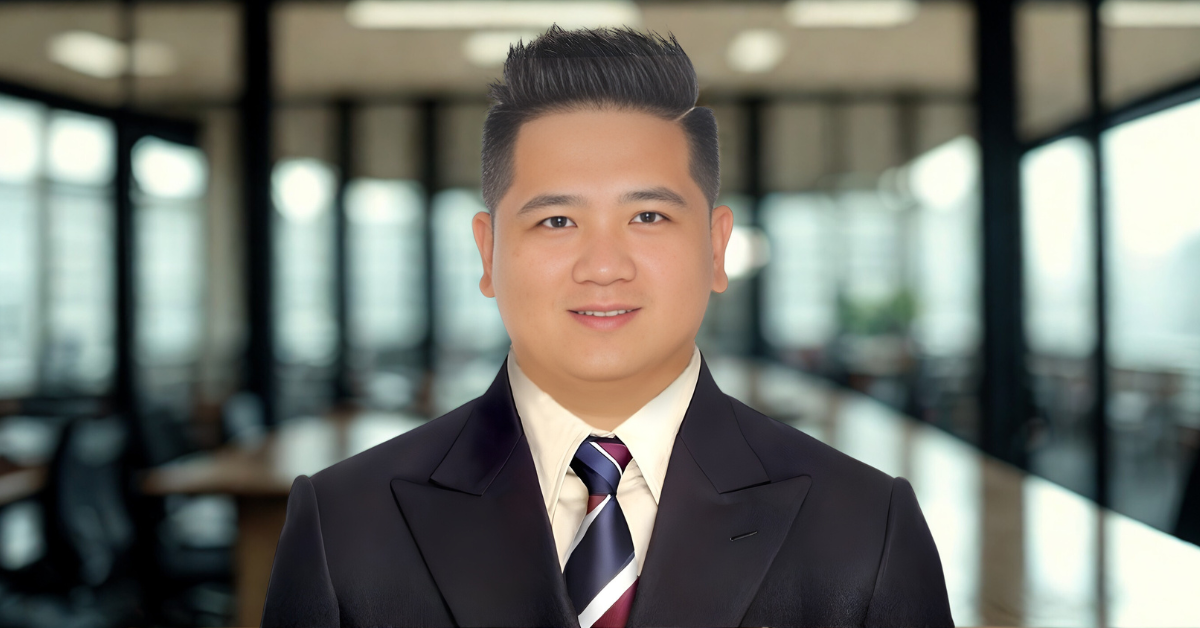
For many professionals, success is measured by titles, rankings, or how far they climb in an organization. For Erwin Valenzuela, a Certified Hospitality Professional, success came from something far less visible—and far more enduring: trust, purpose, and service, even when it meant risking his own life.
Looking back on his journey—from tourist guide to hospitality executive, mentor, and industry leader—Valenzuela does not talk first about accolades. He talks about values.
“The most important skills,” he says, “are the three Ps: professionalism, persistence, and patience.”
Those principles shaped every stage of his career, especially during moments when he believed his time in the industry might be coming to an end.
Preparing for the moment his career might stop
Valenzuela built his early career as a tourist guide, eventually becoming a Professional Regional Master Guide accredited by the Department of Tourism, as well as a National Trainer and Asia Area Representative of the World Federation of Tourist Guide Associations. From the outside, it looked like the peak of a profession.
But he never assumed success would last forever.
“I thought that someday my career as a tourist guide may end,” he says. That realization pushed him to prepare for what came next instead of clinging to what was familiar.
Rather than waiting for decline, he chose to pivot.
Valenzuela entered the managerial side of hospitality and became part of opening teams for several boutique resorts across the Philippines. His roles spanned resort manager, brand manager, sales and marketing manager, recreation and leisure manager, and events and banquet manager—each one requiring him to relearn the industry from a different angle.
The transition was not about ambition alone. It was about resilience.
Why learning never stopped—even at the top
Despite reaching what many would call the “top of the food chain,” Valenzuela refused to believe that mastery meant arrival.
“Even though I have reached the top,” he says, “I never stop learning as an individual and as a group.”
Learning, for him, carried responsibility. Whatever he gained, he passed on. “I always re-echo everything I have learned to my members,” he explains. “I always train when the opportunity arrives.”
That mindset shaped how he stayed competitive—not by guarding expertise, but by multiplying it.
“Just keep on learning,” he says. “Never miss the head of opportunity when it passes by. Grab it by the neck as it may never come your way again.”
Leadership rooted in humility, not ego
The most important career advice Valenzuela received was deceptively simple—and deeply personal.
“Always have your feet on the ground,” he says, “and never step on other people’s toes.”
That belief became central to how he led others. Despite being widely admired by students and younger professionals—many of whom later joined him in his tourist guide association—he never viewed leadership as dominance.
“People don’t follow titles or awards,” he says. “People follow the people they trust.”
Trust, he learned, was built quietly—through presence, consistency, and integrity.
Leading people by seeing their future
As a leader, Valenzuela describes himself as a visionary—not in the abstract sense, but in practical foresight.
“You should have the ability to see the future of what ifs, what mights, and what should haves,” he explains. In a digital age, that also means being technologically aware and sustainability-focused.
When conflicts arise, his approach is private, direct, and respectful. “I talk to them privately,” he says. “Effective communication is a must.”
Rather than asserting authority, he listens. “I listen to constructive criticisms,” he explains, believing they are essential in service-oriented environments. Empowerment and inclusivity, not fear, shape his teams.
To inspire performance, he stays present. “I am always there every time they need me,” he says. He acknowledges effort, recognizes small wins, and helps people turn weaknesses into strengths.
Trust, once earned, creates loyalty that no policy can enforce.
The decision that nearly cost him his life
The toughest decision Valenzuela ever made as a leader had nothing to do with promotions, budgets, or strategy.
It happened in the line of duty.
“When I placed my life on the line to save drowning people,” he says, “I managed to save 33—but could not save 7 more.”
He nearly lost his own life in the process. He suffered broken bones, injuries, and lost consciousness. “I woke up inside a body bag,” he recalls.
The experience permanently reshaped how he understood leadership.
Leadership, for Valenzuela, was no longer about vision alone. It was about responsibility—to people, to life, and to the consequences of action.
A career built on trust, not fear
Looking back, Valenzuela does not define his career by the roles he held or the heights he reached. He defines it by the people he influenced and the trust he earned.
“Build trust with your people,” he says. “And they will never leave you to kingdom come.”
For professionals navigating uncertain careers, his story offers a powerful reminder: longevity is not built by clinging to comfort or chasing recognition. It is built by staying grounded, never stopping learning, and showing up—especially when it matters most.
Sometimes, the moment you think your career might end is the very moment it reveals what it was truly meant to stand for.

