

Most management consultants do not begin their careers with a title, a seat at the table, or a mandate to lead change. Some start much lower—learning systems from the ground up, absorbing pressure, and discovering that influence is earned long before authority is granted.
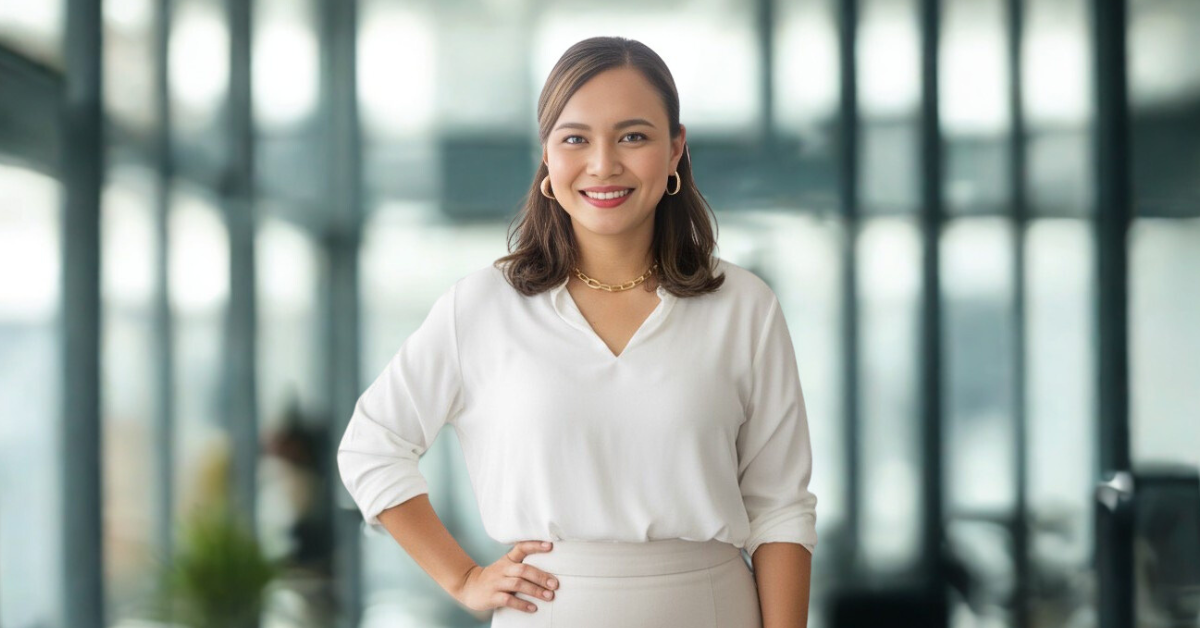
For Elisha Beltran Fernandez, a Certified Management Consultant (CMC®), that lesson was learned early. She began her career “as a level 1 employee,” gradually climbing the corporate ladder through consistency, discipline, and results. But the turning point came when she was forced to make a defining choice.
“At a pivotal point in my career, I was presented with a choice between pursuing a path in process improvement and other avenues,” she recalls. “I chose to focus on process improvement, which turned out to be a transformative decision.”
That decision would quietly shape her consulting philosophy—one rooted not in control, hierarchy, or charisma, but in systems, structure, and people empowerment.
Learning the Business Where the Pressure Is Real
Fernandez’s professional foundation was forged in the Business Process Outsourcing (BPO) industry—an environment where performance is measured relentlessly, inefficiencies surface quickly, and leadership failures are costly.
Over time, her experience expanded beyond BPO into telecommunications, health and beauty, and MSP and RPO services. Each sector brought different challenges, but the same underlying truth: organizations succeed or fail based on how well their processes serve people.
“These diverse experiences have enriched my consulting approach,” she explains, allowing him to “understand and adapt to various industry dynamics and client needs effectively.”
Rather than becoming narrowly specialized, Fernandez developed what she calls a versatile mindset—the ability to apply best practices across contexts without forcing one industry’s logic onto another.
Why Lean Six Sigma Became Her Consulting Backbone
Among the many tools Fernandez accumulated, one stood out as foundational.
“One of the most crucial skills I developed is my expertise in Lean Six Sigma,” she says. “This taught me a structured technique and approach to quickly provide solutions.”
But for him, Lean Six Sigma was never about certification alone. It was about learning how to diagnose problems without emotion, isolate root causes, and guide teams toward solutions they could sustain.
Combined with hands-on operational roles, this approach allowed him to navigate complexity calmly—especially when organizations felt stuck.
“Each position I held contributed to a broader understanding of operational challenges and opportunities,” she says. “Collectively, these skills and experiences have equipped me to navigate complex scenarios.”
Consulting in an AI-Accelerated World
Fernandez is clear-eyed about where the consulting profession is headed.
“The management consulting industry continues to transform both in the Philippines and worldwide,” he says. In the local market, she sees a shift toward independent consultants and boutique firms, mirroring global trends that reward specialization, agility, and flexible engagement models.
But the most disruptive force, she believes, is technology.
“AI-driven analytics, workflow automation, and predictive insights are reshaping the consulting practice—allowing consultants to deliver faster, more data-rich, and more accurate recommendations.”
In her view, the future belongs to consultants who can blend human judgment and strategic thinking with AI-powered tools that enhance—not replace—decision-making.
“The future of consulting will revolve around hybrid models,” she says, where technology accelerates insight, but trust and leadership still drive adoption.
Why Leadership Without Control Works Better
Despite her technical expertise, Fernandez does not lead through rigid authority. In fact, she intentionally avoids it.
“I would describe my leadership style as laissez-faire,” she explains. “I prefer not to be overly bureaucratic or controlling, because I believe people do their best work when they feel trusted and empowered.”
In practice, that means encouraging initiative, shared ownership, and open dialogue. Ideas are not imposed from the top—they are built collaboratively.
“I make space for diverse perspectives and ensure people feel safe to express their thoughts, ask questions, or challenge assumptions,” she says. “Leadership is less about authority and more about creating an environment where people can lead together.”
When Collaboration Solves What Authority Cannot
One consulting engagement reinforced this belief.
Fernandez led a project where the team was stuck—no clear solution, no agreement, and growing frustration. Instead of forcing direction, she slowed the process down.
“I applied a process-improvement approach and focused on leadership through collaboration,” she recalls. “I made sure every member of the project team had the opportunity to share their observations and ideas.”
By listening individually and asking targeted questions, she uncovered a critical insight that had been overlooked—not because it was insignificant, but because people did not feel safe enough to raise it.
“Once the issue was brought to light, the team aligned quickly,” she says, and the project moved forward smoothly.
For Fernandez, the lesson was clear.
“Leadership isn’t about knowing the answer yourself—it’s about creating an environment where people feel safe to contribute.”
Navigating the Hardest Part of Consulting: People
Technical problems, Fernandez notes, are often the easiest to fix. Human dynamics are not.
“The most challenging aspects of my work typically come from stakeholder management,” she says, particularly when personality conflicts, ego, or cultural misalignment derail progress.
“These situations highlight the importance of empathy, communication, and building a respectful culture,” she explains. “When people feel heard, aligned, and respected, collaboration becomes much more effective.”
Why CMC® Was About Identity, Not Just Credential
Fernandez pursued the Certified Management Consultant (CMC®) designation with intention. She was not looking for another technical badge.
“I wanted a globally recognized accreditation that reflects broad business acumen, high ethical standards, and comprehensive consulting capability,” she says. “Not just technical skills.”
The process required reflection, discipline, and time.
“The challenging part is investing the time in learning and reading the modules,” she admits. But the payoff was substantial.
“Becoming a CMC® has strengthened my confidence in my capabilities,” she says, while also expanding her professional network and credibility.
For clients, the designation signals something important.
“It provides assurance that my recommendations are based on objective analysis, established methodologies, and professional judgment—not simply personal opinion.”
A Mindset That Compounds Over Time
Fernandez offers this message to consultants considering the CMC® path:
“It’s not just a certificate—it’s a mindset.”
One that anchors consultants to ethics, structure, and long-term value creation.
Over time, she believes, that mindset becomes part of how a consultant thinks, decides, and shows up—quietly shaping credibility long before results are visible.

