

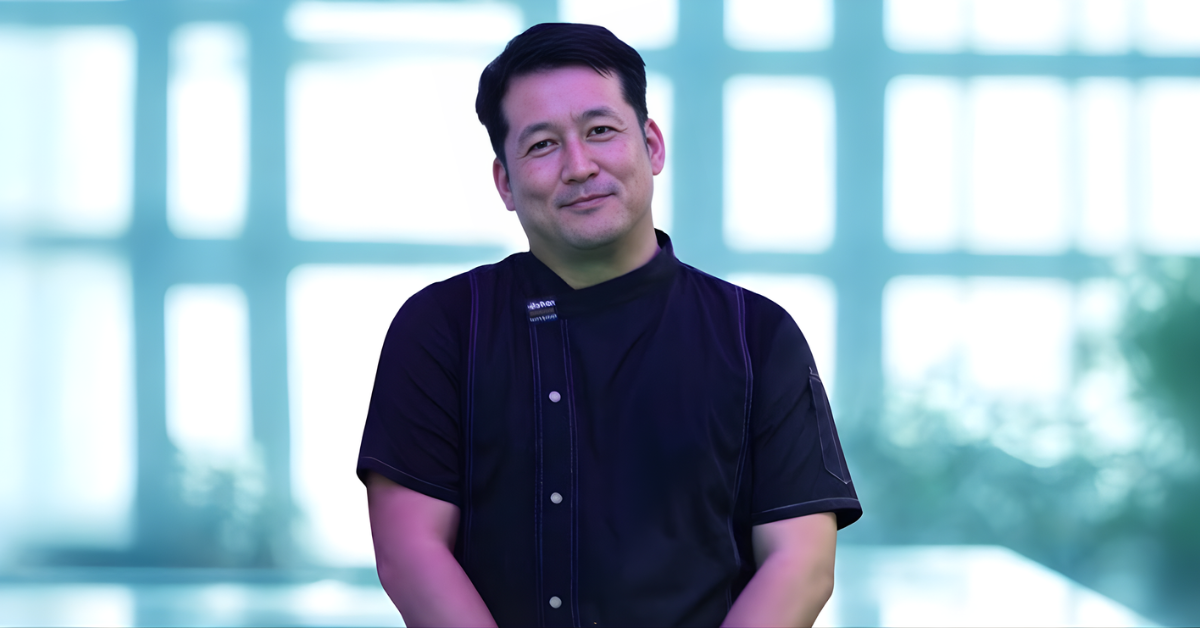
Careers in tourism and hospitality rarely follow a straight path. The industry demands long hours, emotional resilience, and the ability to adapt quickly to people, cultures, and constant change. For Christopher Talosig Takano, a Certified Hospitality Professional, success came not from chasing titles early, but from committing fully to every role he took on.
Today, Takano balances academic leadership with industry relevance. He recently completed a Master of Management major in International Hospitality and Tourism Management, is preparing to enroll in a Doctorate in the same field, and presented at his first international research conference in 2025. But his journey began long before recognitions and credentials entered the picture.
Starting over—and showing up fully
Takano’s entry into hospitality involved a deliberate career shift from a different field. The transition required humility. He had to start over, learn new systems, adapt to fast-paced operations, and prove himself from the ground up.
The mindset that guided him through that phase was simple but demanding: treat every role like it is your dream job.
That principle shaped how he approached even the smallest responsibilities. Instead of viewing early roles as stepping stones, he treated them as opportunities to learn, contribute, and grow. Over time, that consistency opened doors he never expected.
Learning hospitality through immersion
Before stepping fully into academia, Takano immersed himself in real-world hospitality operations. He gained hands-on experience across multiple departments, including front office, food and beverage, guest services, and events.
This exposure deepened his understanding of service excellence, team collaboration, and operational efficiency. It also sharpened his leadership, communication, and problem-solving skills in high-pressure, guest-centered environments.
The experience reinforced a lesson that would later define his teaching and leadership philosophy: hospitality is a people-driven industry. Systems matter, but empathy and teamwork determine outcomes.
The skills that define standout professionals
As a Certified Hospitality Professional, Takano emphasizes that thriving in tourism and hospitality requires more than technical competence.
Strong communication, adaptability, cultural sensitivity, and a genuine passion for service separate good professionals from exceptional ones. Staying calm under pressure, working well in diverse teams, and handling guest needs with empathy are critical in an industry where expectations are high and change is constant.
In his view, attitude and emotional intelligence often matter more than hard skills, especially in leadership roles.
Staying competitive in a fast-changing industry
To remain competitive, Takano commits to continuous learning and keeps pace with emerging technologies. He stays updated with industry trends while maintaining a strong focus on building genuine relationships with guests and colleagues.
While technology continues to transform hospitality operations, he believes people will always remain at the heart of the industry. Trust, communication, and service delivered with sincerity cannot be automated.
From industry to the classroom
Takano now serves as an Assistant Professor at ICCT Colleges, where he applies his industry experience and professional certification to hospitality education.
His teaching philosophy centers on student-centered learning, critical thinking, and real-world application. He brings both theory and practice into the classroom, preparing students not only for academic success but for ethical, sustainable careers in hospitality and tourism.
Beyond teaching, he contributes to curriculum development, instructional innovation, faculty research initiatives, and community extension programs aligned with the institution’s mission of accessible, quality education.
Leadership grounded in humility and empathy
Takano describes his leadership style as people-first and collaborative. Over time, he learned to listen more, micromanage less, and focus on developing people rather than managing outcomes alone.
He believes strong leaders lead by example, recognize effort, and create environments where individuals feel valued. When teams feel supported, exceptional service follows naturally.
One of the most difficult leadership decisions he faced involved letting go of a team member—not because of skill, but because of attitude. While painful, he believed protecting team culture and morale was essential to long-term success.
Balancing performance and well-being
Balancing organizational goals with employee well-being requires clarity and purpose. Takano aligns expectations with values, maintains open communication, and fosters supportive environments.
When people feel respected and understand why their work matters, accountability improves without sacrificing morale.
A career built on values, not just credentials
While his achievements include advanced degrees, international research presentation, and professional certification, Takano remains grounded in the values that shaped his journey: resilience, humility, flexibility, integrity, and servant leadership.
Becoming a Certified Hospitality Professional reinforced his commitment to ethical practice and continuous development. As he prepares for doctoral studies, he sees leadership not as a position, but as a responsibility—to inspire others, elevate teams, and serve with purpose in a global, evolving industry.
His story offers a clear takeaway for professionals at any stage: how you show up in today’s role shapes the opportunities you earn tomorrow—especially in hospitality, where character often speaks louder than credentials.

