

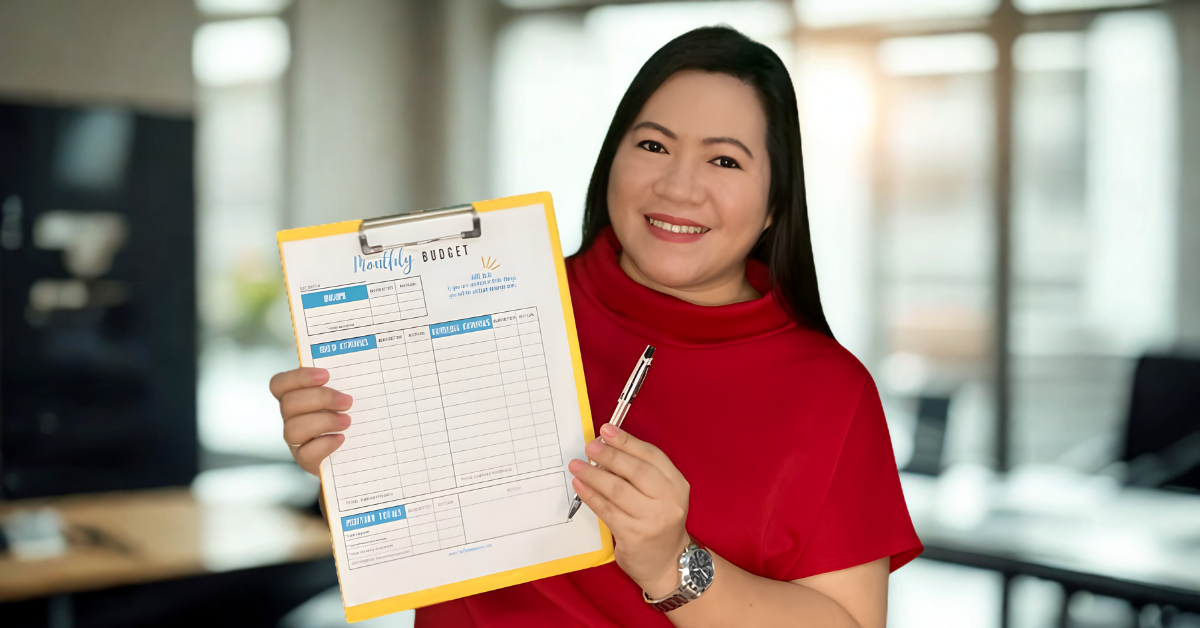
When you’re expecting a baby, it’s easy to get swept up in the excitement of shopping. From adorable onesies to the latest stroller models, every store and online ad seems to scream: buy this, your baby needs it.
But according to Janice Sabitsana, a Registered Financial Planner (RFP), new parents don’t actually need to splurge to give their child the best start in life. In an interview with Financial Adviser PH, she explained:
“Most baby items are only used for a short time. Spending heavily on things your child will outgrow in months isn’t practical. Focus on essentials, and be smart about where and when you buy.”
Here’s her advice for cutting costs without sacrificing your baby’s comfort or safety.
Skip the Maternity Shopping Spree
Maternity clothes are often worn for just a few months, which makes them one of the easiest areas to save.
“You don’t need an entire wardrobe of expensive maternity outfits,” Sabitsana said. “Look for bargains online, check thrift stores, or borrow from friends and family. It’s better to redirect your money to things you’ll actually use longer.”
The same goes for breastfeeding clothes. Instead of buying a whole new wardrobe, Sabitsana suggests waiting until after you’re sure breastfeeding is part of your routine. “For stay-at-home moms, you might not even need specialized clothes at all, maybe just one or two for going out,” she added.
Don’t Let Cravings Drain Your Wallet
Pregnancy cravings are normal, but Sabitsana warns that indulging too often can hurt both your health and your budget.
“It’s okay to give in once in a while, but remember that every peso counts. Sticking to balanced meals will keep costs down and prevent unnecessary weight gain, which can also mean fewer complications during pregnancy,” she explained.
Make a Baby Checklist—and Stick to It
The biggest trap for new parents? Impulse buying. Cute outfits, colorful toys, and unnecessary accessories often end up unused.
Sabitsana recommends creating a shopping checklist before making any big purchases. “Talk to parents who just had babies. They’ll tell you which items were worth it and which ended up gathering dust,” she said.
Another smart strategy is waiting until after your baby shower or gender reveal. “Chances are, you’ll get many of the essentials as gifts. Hold off on shopping until you see what you already have,” she advised.
Buy Used and Accept Hand-Me-Downs
Not everything has to be brand new. Big-ticket items like cribs, strollers, or high chairs can often be bought secondhand at a fraction of the price.
“As long as they’re safe, complete, and sanitized, pre-loved items are perfectly fine,” Sabitsana explained. “Babies only use these things for a short time, so there’s no need to overspend.”
She also encourages parents not to shy away from hand-me-downs. “Babies grow fast. Spending thousands on branded clothes that won’t fit in a month doesn’t make sense. Accepting pre-loved items from family and friends is both practical and budget-friendly.”
Be Smart With Diapers and Wipes
Diapers are one of the biggest recurring costs for parents—but there are ways to cut the bill.
“Buy during online sales on platforms like Shopee or Lazada. That’s when you’ll save the most,” Sabitsana said.
She cautions against stocking up too early though. “Not every brand works for every baby. Wait until you know which brand keeps your baby comfortable and rash-free before buying in bulk,” she advised.
For long-term savings, parents can also explore cloth diapering. While it requires a higher upfront investment, Sabitsana said the payoff is worth it: “After the initial cost, you’ll only spend on detergent or liners. It’s cheaper, and it’s eco-friendly.”
Final Takeaway
For Sabitsana, being a smart parent isn’t about buying the most expensive items—it’s about making the most of every peso.
“Babies need love, care, and safety—not branded gear,” she told Financial Adviser PH. “If you plan carefully, accept help, and focus on essentials, you’ll save money while still giving your child everything they need.”

