

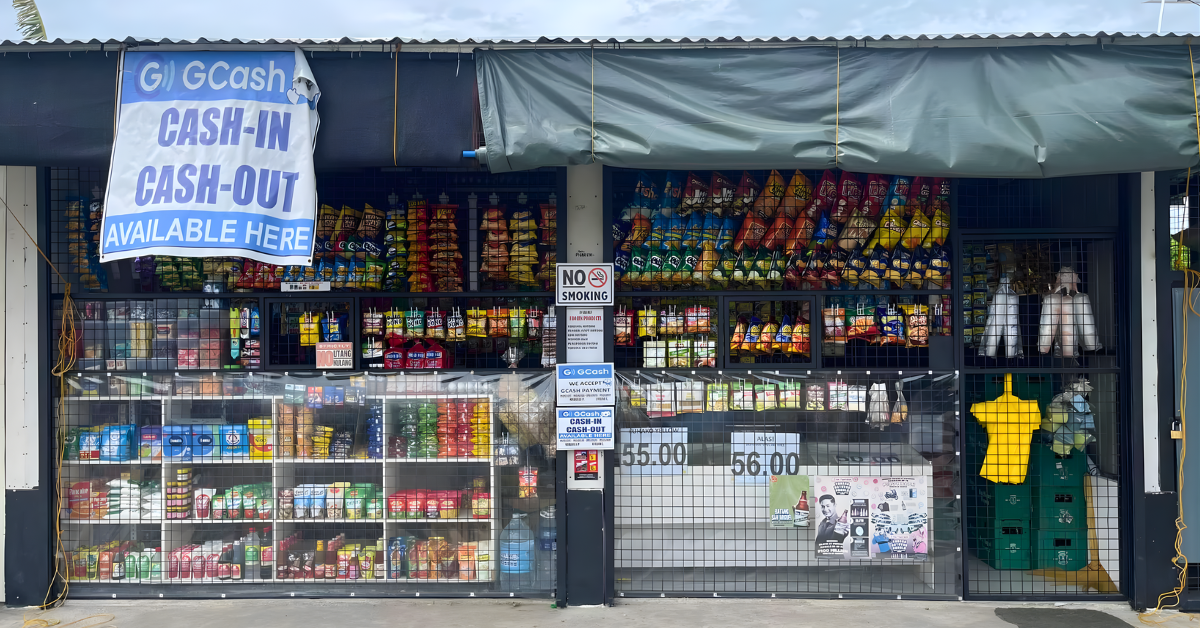
If you’ve ever bought a piece of candy, a sachet of shampoo, or a stick of cigarette at your neighborhood sari-sari store and thought, “It’s just one peso,” you’re not alone.
But Joffre Enrico Dominguez, a Registered Financial Planner with more than 30 years in finance, says this kind of thinking—when repeated daily—is quietly draining your wallet.
“We treat these purchases as separate—we don’t add them up,” Dominguez told Financial Adviser PH. “That’s the sari-sari mentality. One peso here, five pesos there… before you know it, it’s hundreds a week.”
This unconscious spending, rooted in convenience and habit, might seem harmless—but it’s one of the biggest reasons many Filipinos struggle to save.
What is the “sari-sari mentality”?
Dominguez defines it as a behavioral spending trap where small, frequent, low-value purchases fly under the radar. Because the amounts feel insignificant, they often go untracked—but they add up.
“It’s easy to say ‘yes’ to a ₱10 snack or ₱5 load top-up,” he explained. “But if you’re doing that ten times a day, five days a week—that’s ₱500 you didn’t plan for.”
He told Financial Adviser PH that this pattern is widespread across income levels—and it’s often overlooked because of its invisibility. “We’re not spending on luxury. We’re spending in drips.”
Why these habits are hard to break
The sari-sari mindset is deeply ingrained, not just in buying behavior but in cultural norms. “We’re used to buying ‘tingi,’ or small quantities,” Dominguez said. “It feels affordable, but in the long run, it’s expensive.”
This mindset is further reinforced by marketing strategies that target impulse purchases—think bright signage, catchy promos, and easy access to credit.
“Behavioral finance tells us we don’t always make rational decisions. We make emotional ones—and marketers know this.”
From awareness to action: How to break the cycle
Dominguez emphasized to Financial Adviser PH that breaking the sari-sari cycle starts with awareness, not shame.
“People think financial planning is about big numbers. But it often starts with noticing your small habits,” he said.
Here’s his three-step framework to reset your unconscious spending:
Track every peso for one week
“Use pen and paper or your phone. Don’t judge—just observe.”
Group your expenses
“You’ll start to see patterns—₱100 on soft drinks, ₱200 on snacks. That’s where awareness starts.”
Create a spending rule
“Something simple, like ‘No sari-sari store before lunch’ or ‘₱100 snack budget per week.’ Give your money boundaries.”
“It’s not about cutting joy—it’s about making spending intentional.”
Dominguez is careful not to villainize small pleasures. “A cold drink or a merienda after work isn’t bad. But if you’re broke before the 15th, something needs to change.”
He wants Filipinos to understand that financial discipline doesn’t mean depriving yourself—it means choosing what matters most.
“It’s not the big purchases that sink us. It’s the invisible, automatic ones.”
Why this insight could transform your finances
The sari-sari mentality might seem minor, but Dominguez believes addressing it is the first step toward long-term financial health.
“We can’t fix what we don’t notice,” he told Financial Adviser PH. “But once people see the leak, they start plugging it. That’s when real change happens.”

